The Greater Kruger Area is an absolutely vast conservation area extending more than 21.000 km2, and holds both the government-owned Kruger National Park and a large number of unfenced private reserves.
To the West and South of Kruger are the two South African provinces of Limpopo and Mpumalanga. In the north is Zimbabwe, and to the east is Mozambique. It is now part of the Great Limpopo Transfrontier Park, a peace park that links Kruger National Park with the Gonarezhou National Park in Zimbabwe, and with the Limpopo National Park in Mozambique.
The Greater Kruger Area is part of the Kruger to Canyons Biosphere, an area designated by the United Nations Education and Scientific Organisation (UNESCO) as an International Man and Biosphere Reserve (the “Biosphere”).
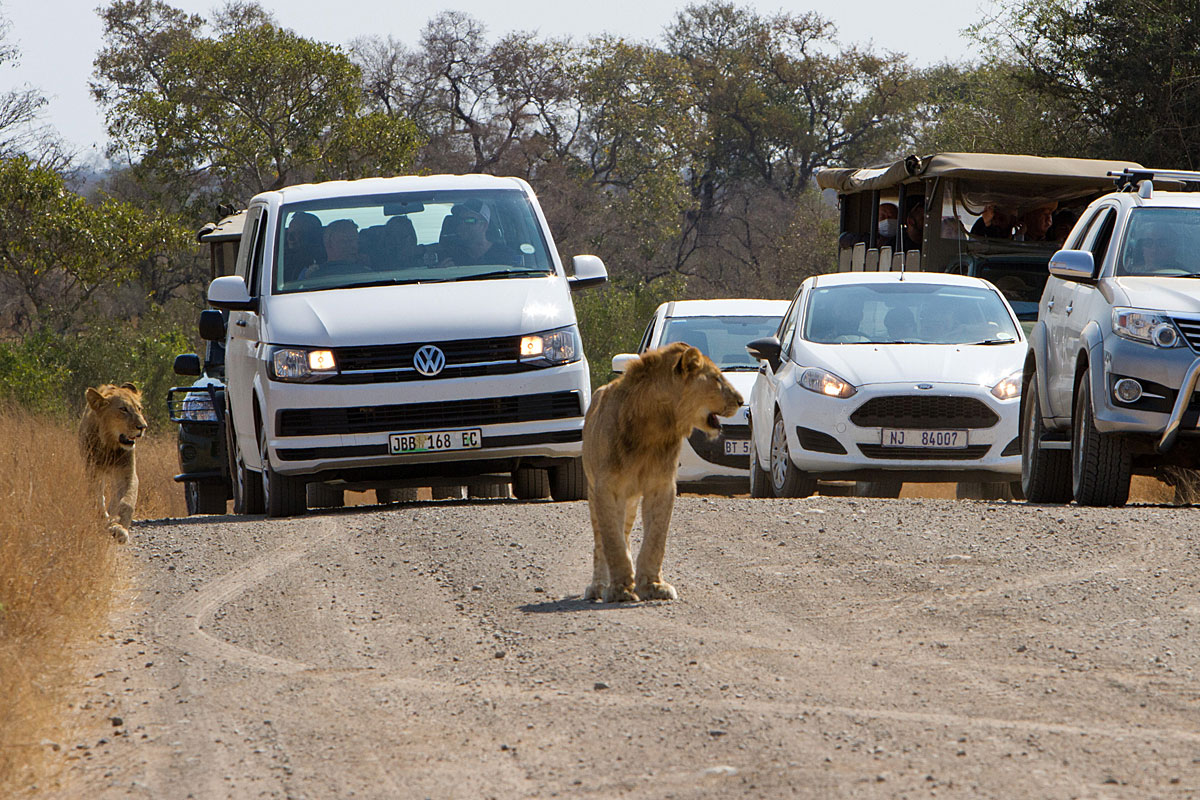
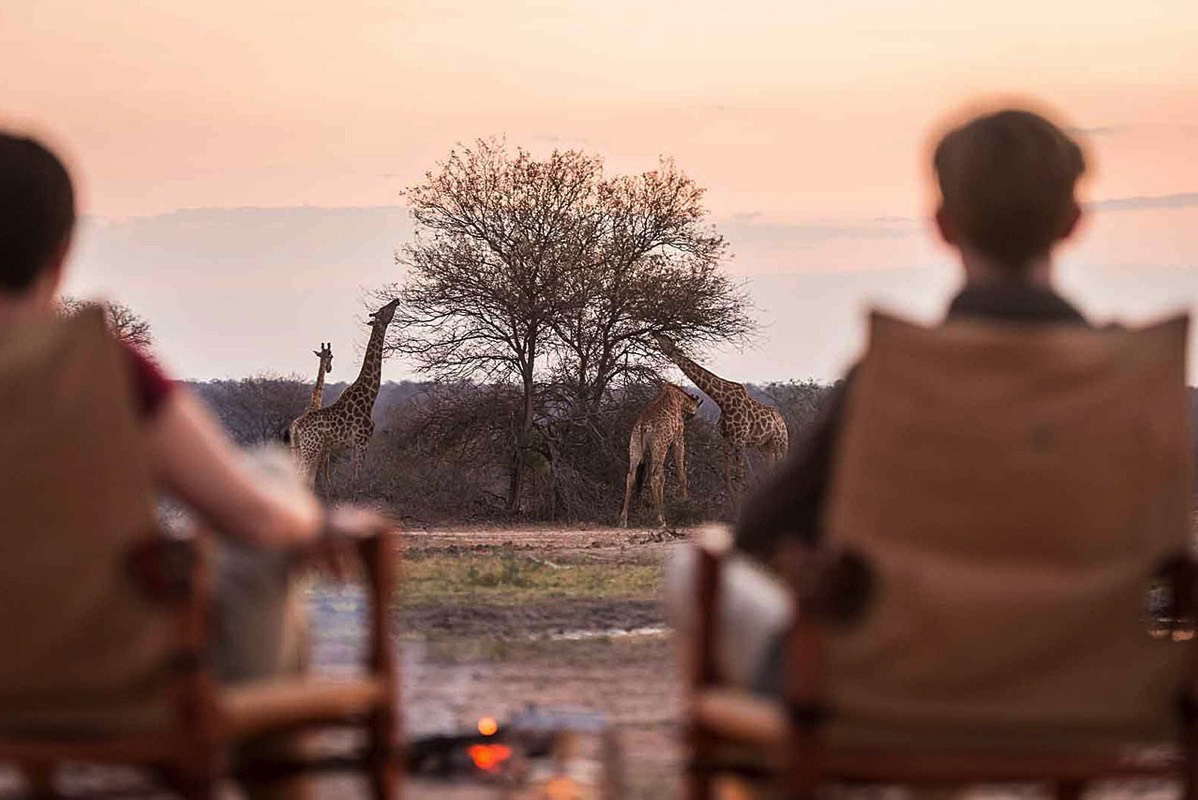
It is home to the widest diversity of wildlife in South Africa and delivers some of the best game viewing in the world, has no "extreme" seasons, is easy to get to, and the accommodation is of the highest standards, at affordable prices. These factors combined make it hard to beat. A safari doesn't get much better than in Kruger! It can get crowded though. It attracts over a million visitors each year. By comparison; this is ten times as much as the Serengeti in Tanzania.
Kruger National Park
Kruger National Park is one of the largest game reserves in Africa. It covers about 19000 km2 and extends 360 kilometres from north to south and 65 kilometres from east to west.
It takes the bulk of the Kruger's one million visitors per year. These are mostly self-drivers staying in the restcamps of Kruger, and doing safari drives on Kruger's (often tarred) roads. It is important to try to avoid those crowds as much as possible. The south is the worst, but does have the highest animal density. The middle part is quite doable, if you avoid the busiest periods. This section also has nice game viewing. The top part of Kruger is by far the most peaceful but has a much lower wildlife density.
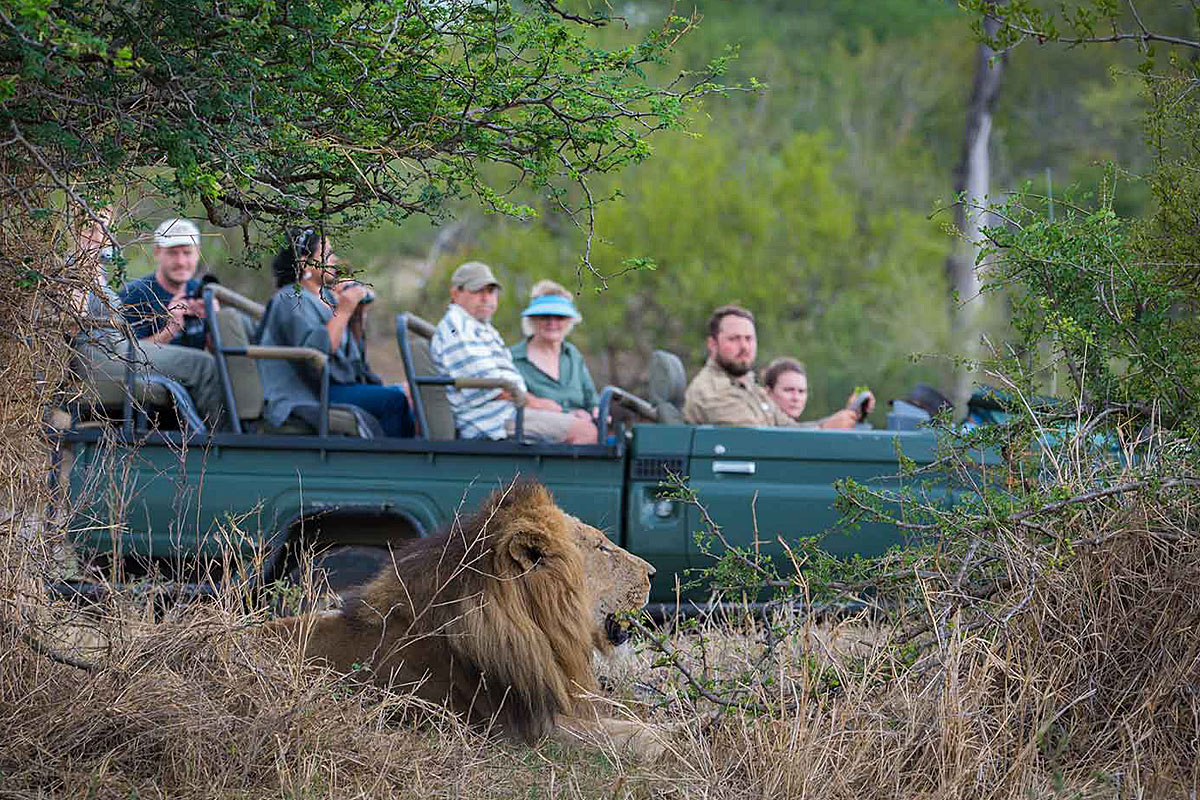
In all the three park sections, Kruger National park has carved out concessions, and these offer a quite similar experience than the lodges on the private reserves. Regular Kruger visitors are not allowed to drive on these concession and as such they are your best bet if you're looking for an intimate safari experience away from the crowds.
Kruger Private Reserves
There's a network of private reserves to the west of Kruger National Park. These reserves have lots of privately owned farms, some are commercialised (ic have an ex-lodge on them), some are not (but may still have a private home on them). The bush is pretty much identical to Kruger, with the exception of some two tracks that are straight as as arrow; these demarcate a cutline between two farms.
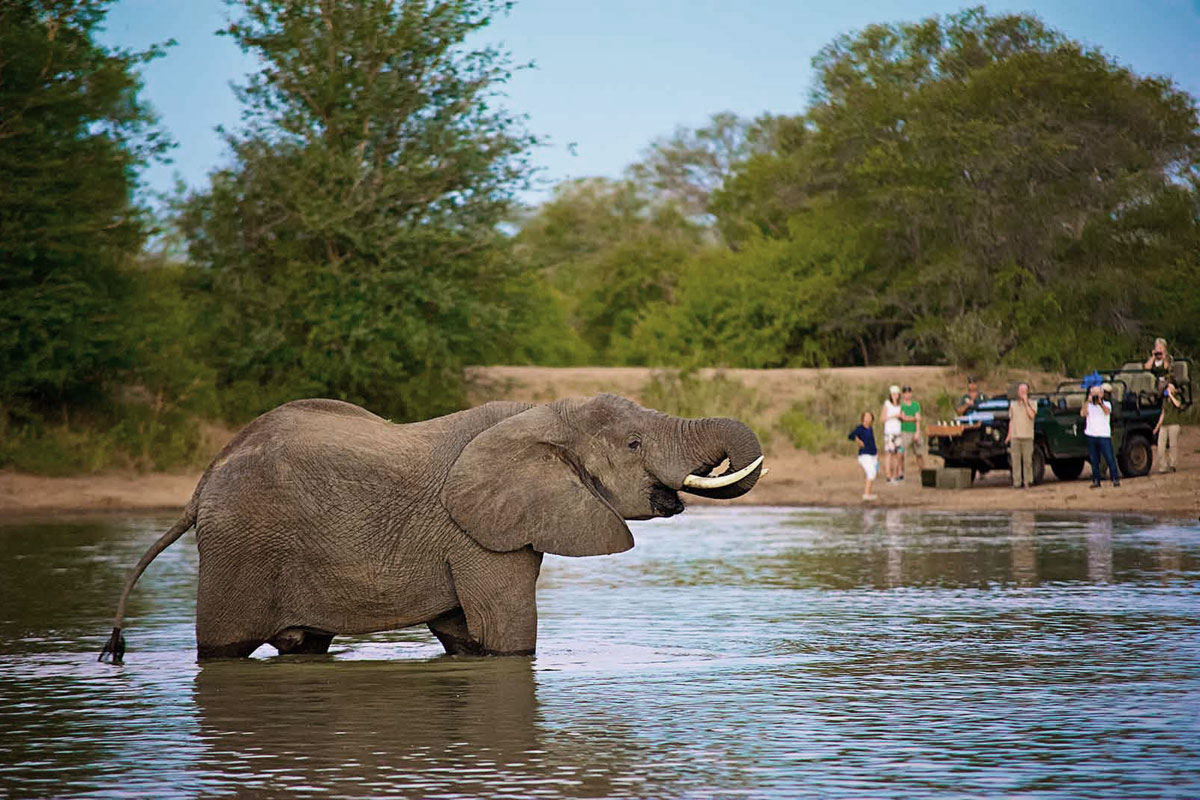
Being bound by a common set of reserve rules, eco-lodges on private reserve offer high-quality & low-volume safari experiences. No daytime-tourists are allowed, no self-drivers are allowed, animal sightings can only have maximum two vehicles present, and lodges can only have one customer-bed per 100 hectare of land that they own or lease.
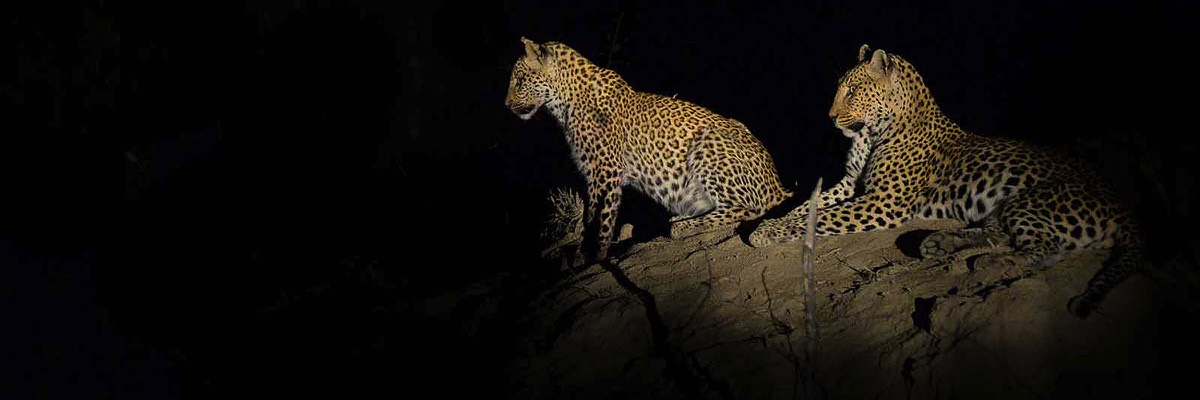
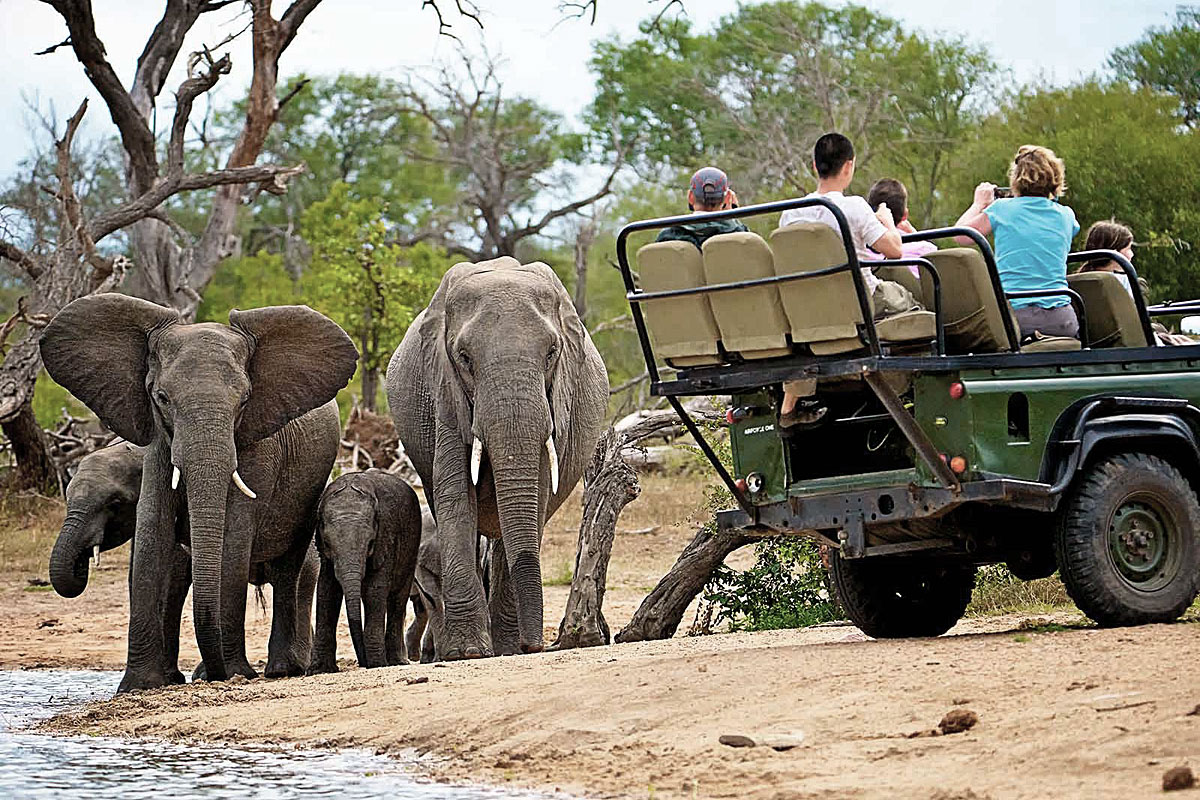
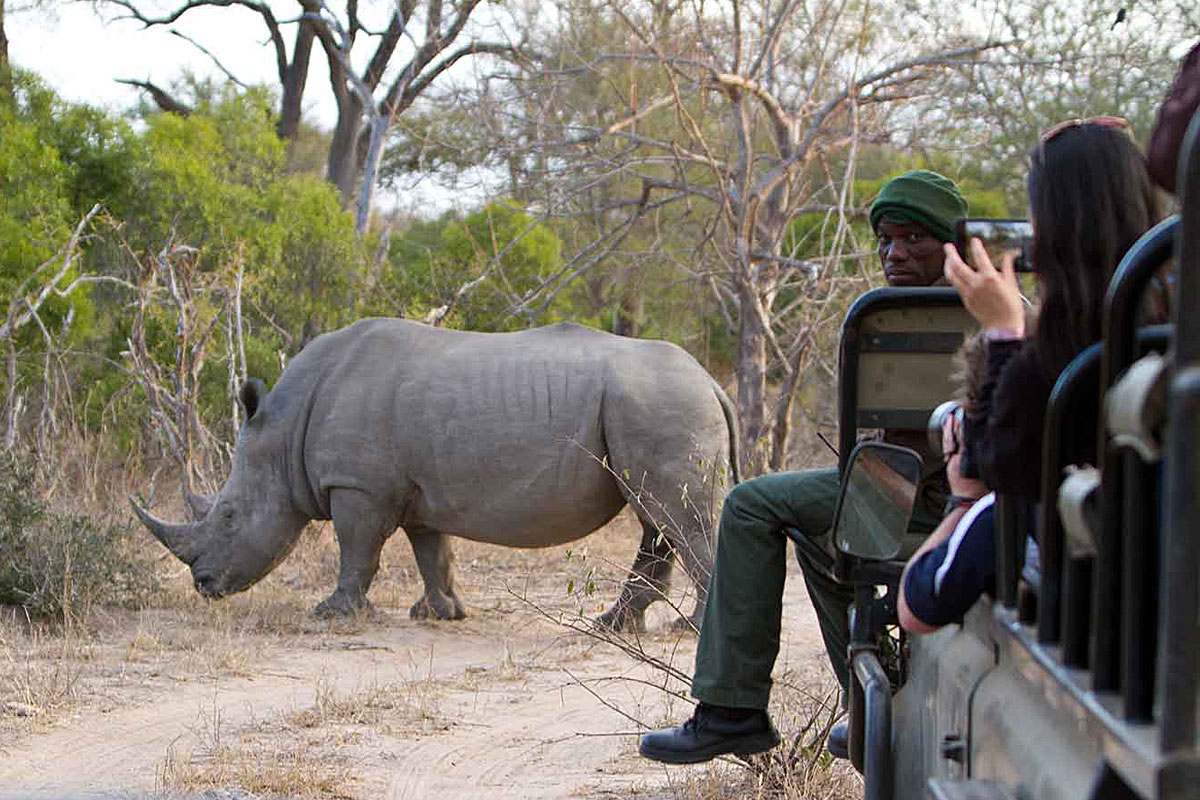
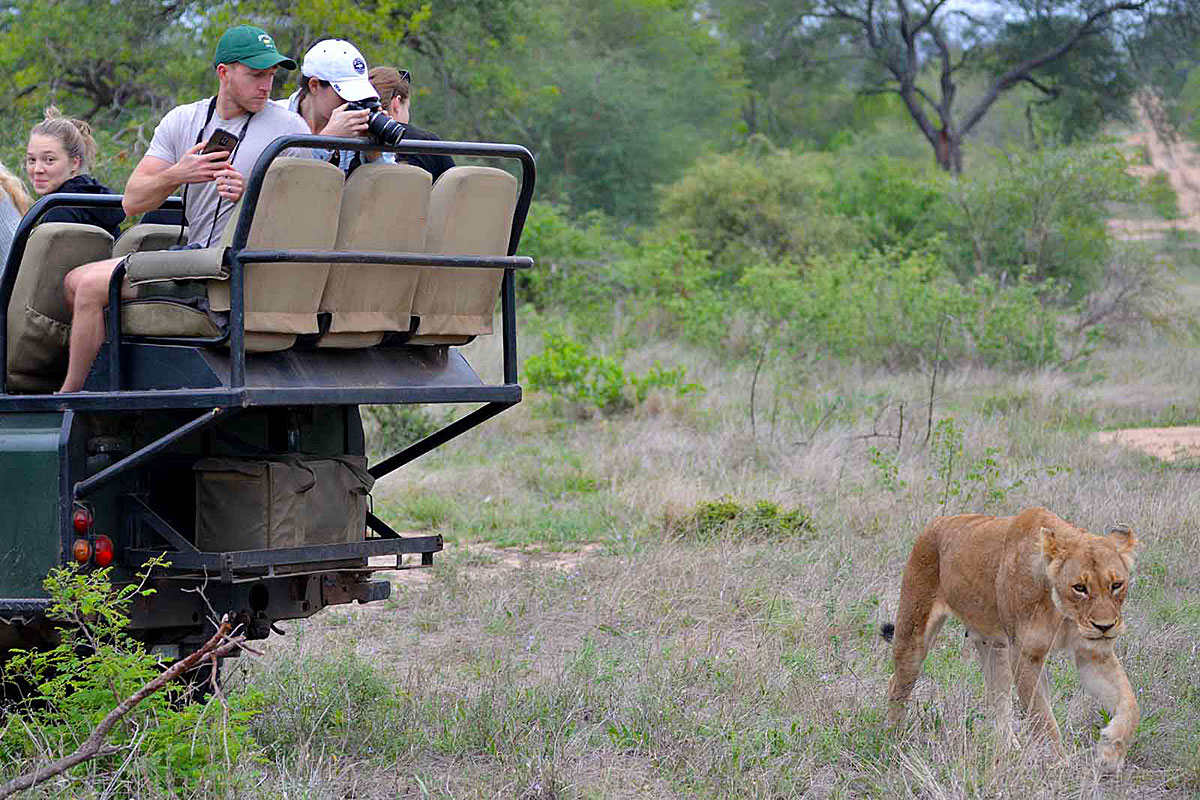
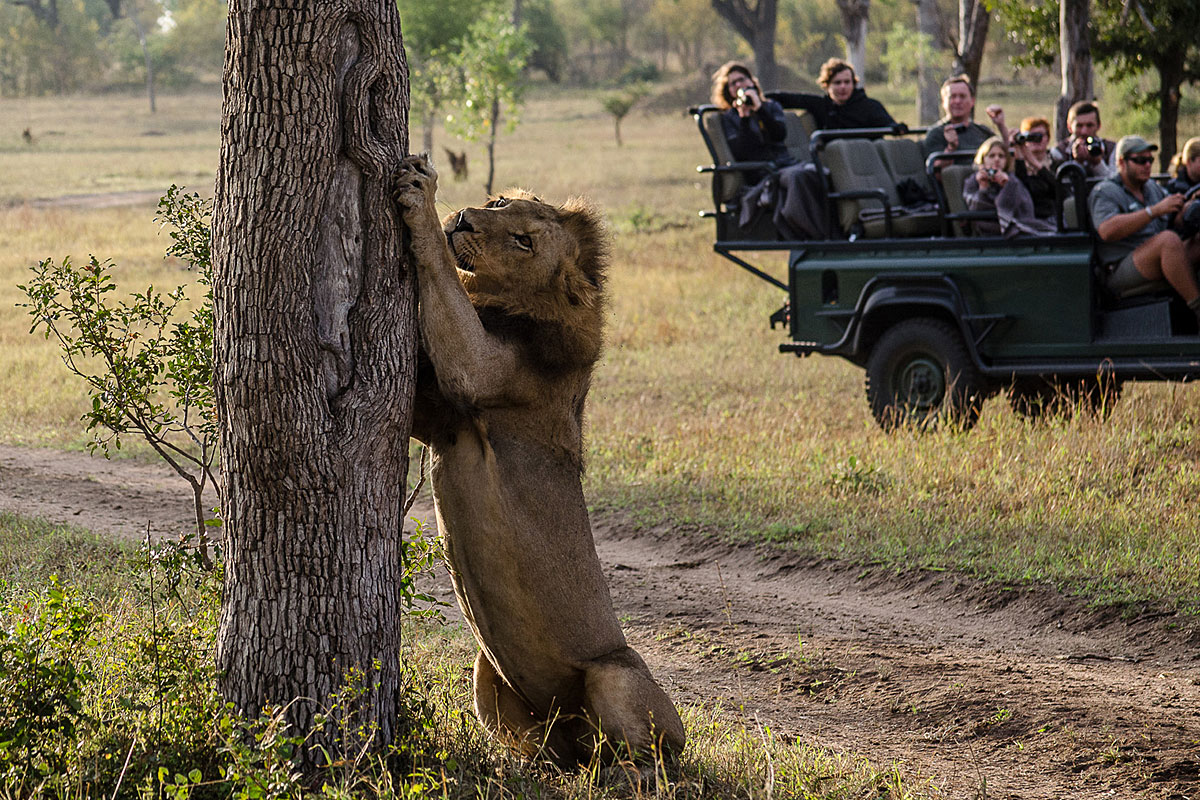
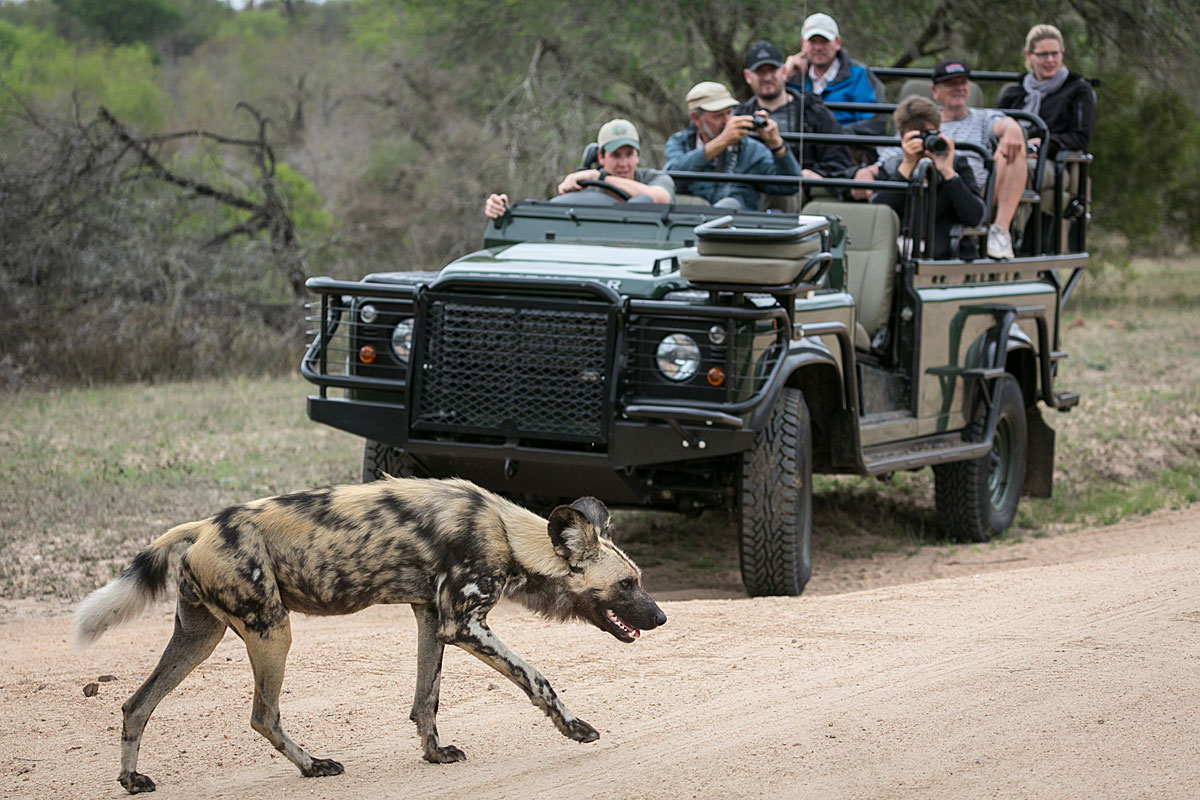
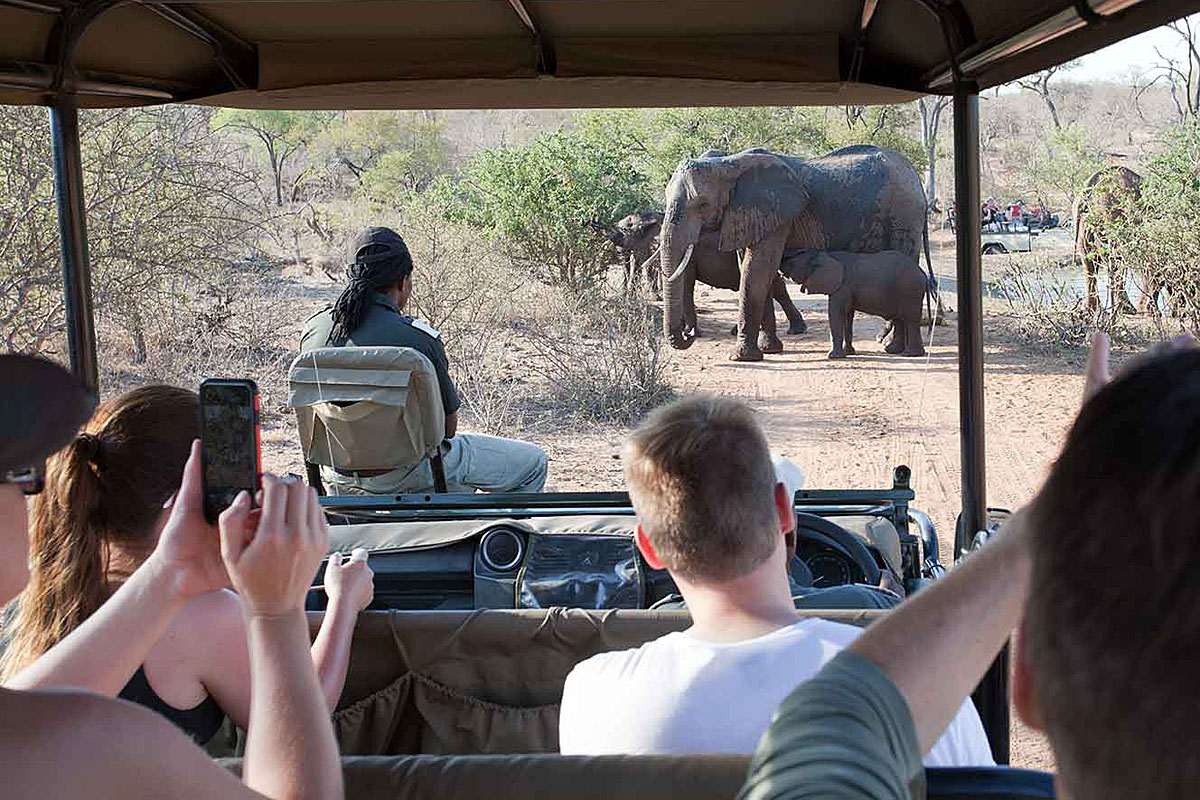
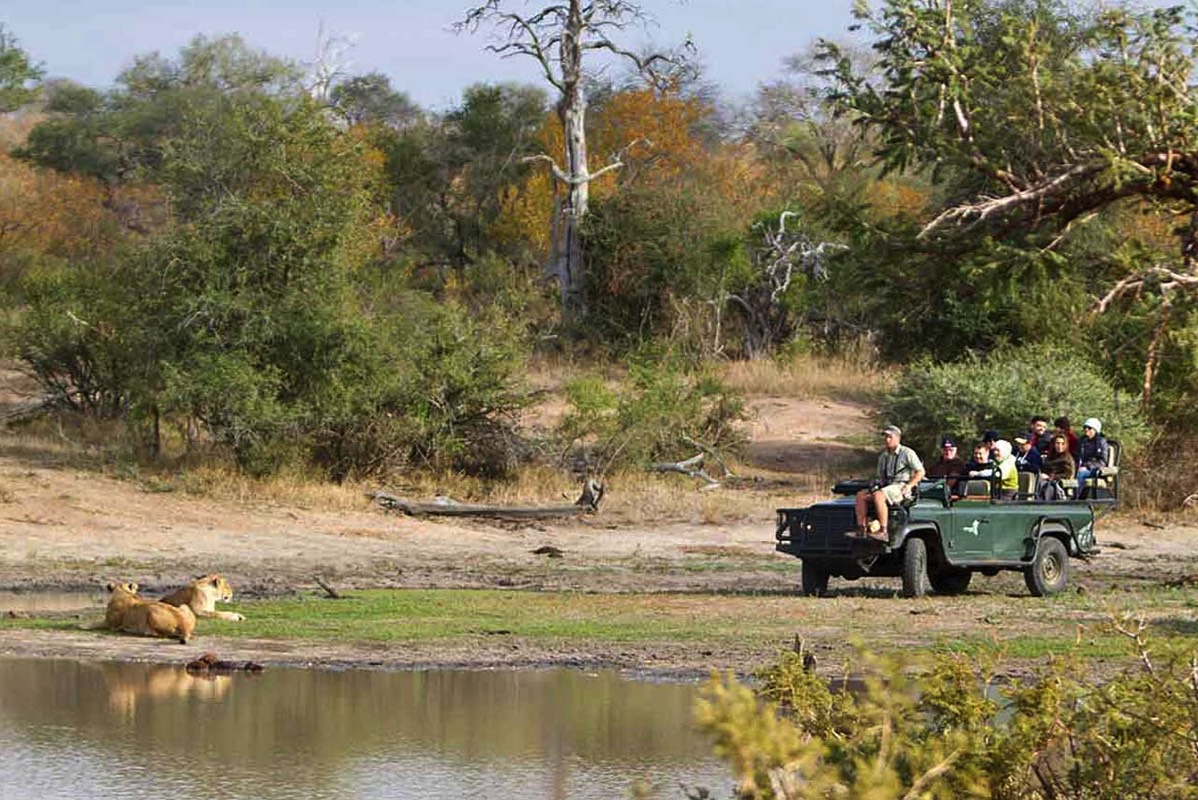
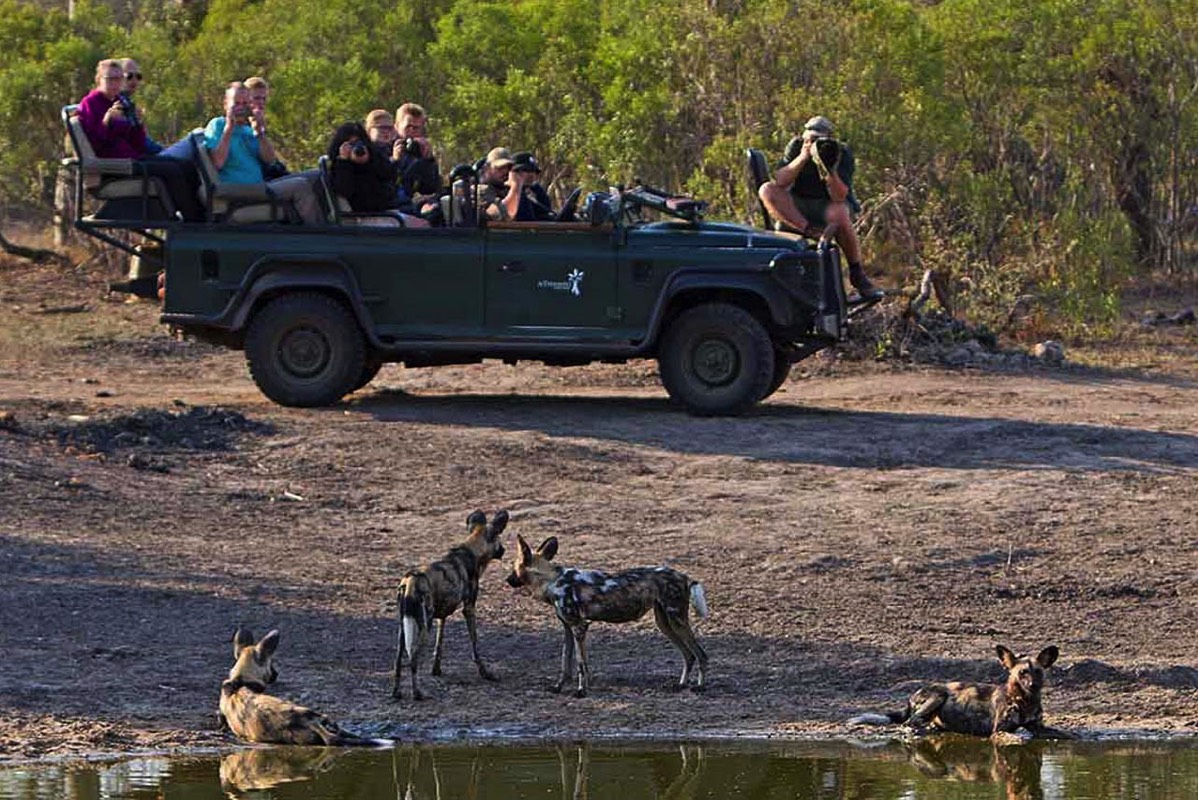
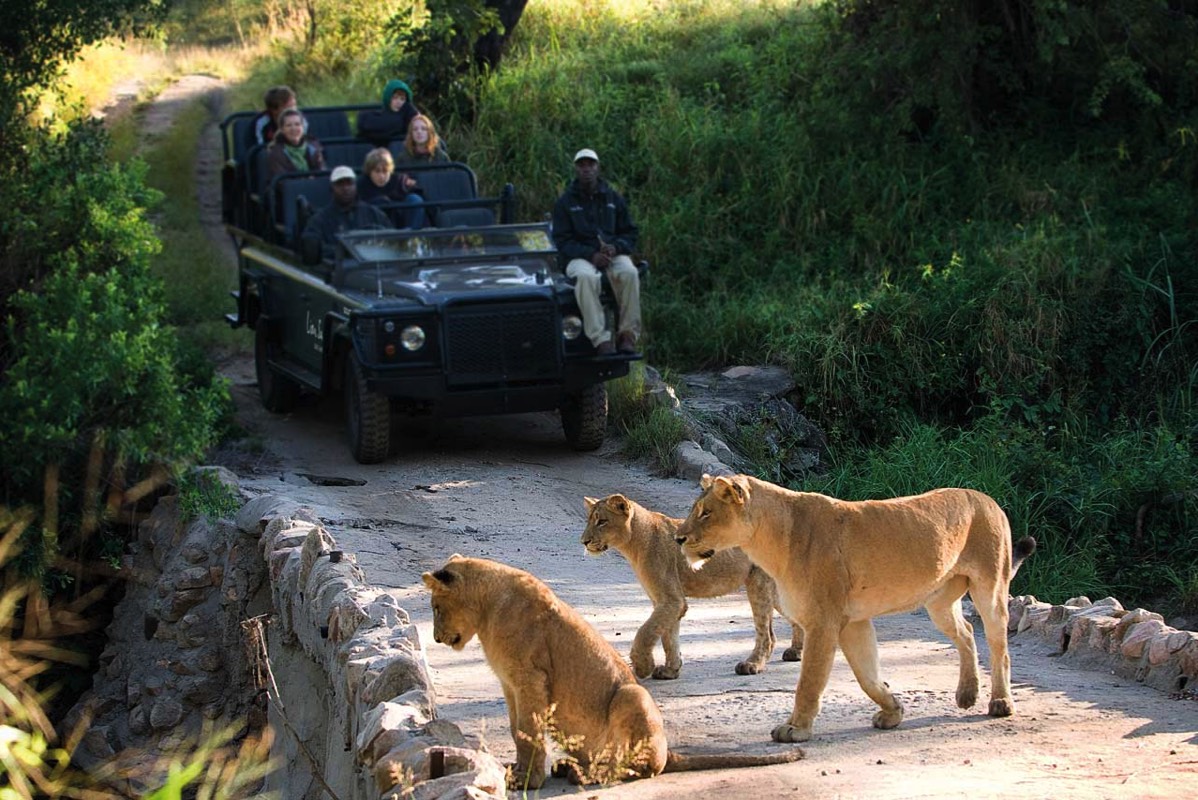
If the terrain allows, guides are often allowed to drive off road to get you very close to the big five (lion, leopard, buffalo, rhino and elephant) and other predators such as cheetah and wild dogs. In the afternoon, your game drive goes on until after sunset, and your guide will look for nocturnal animals with a spotlight.
An in-depth look at all private reserves
Klaserie Private Nature Reserve
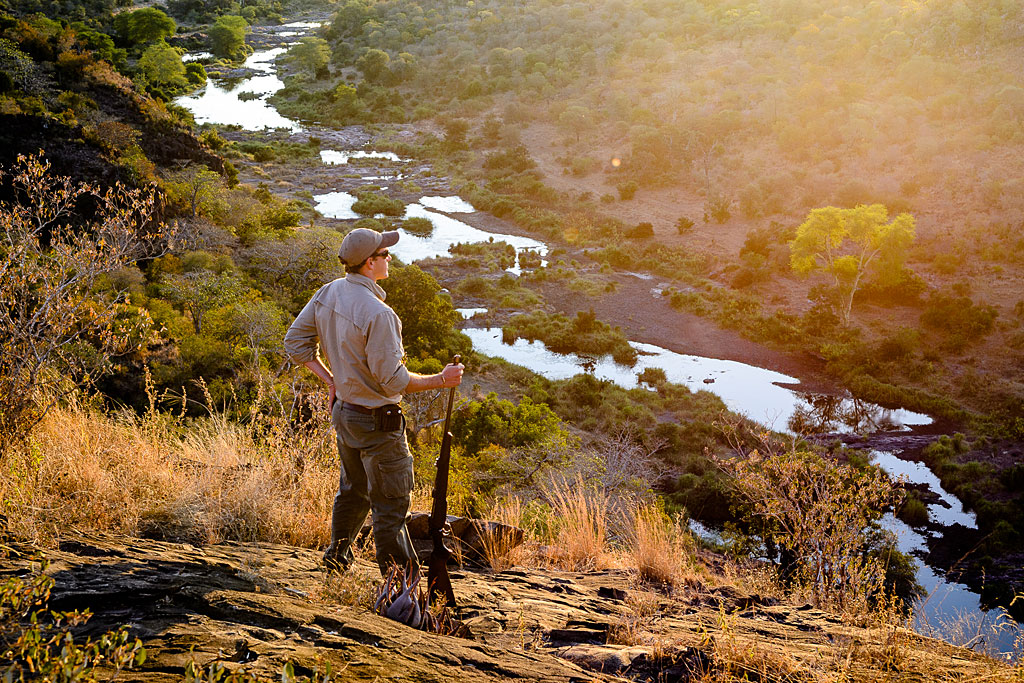
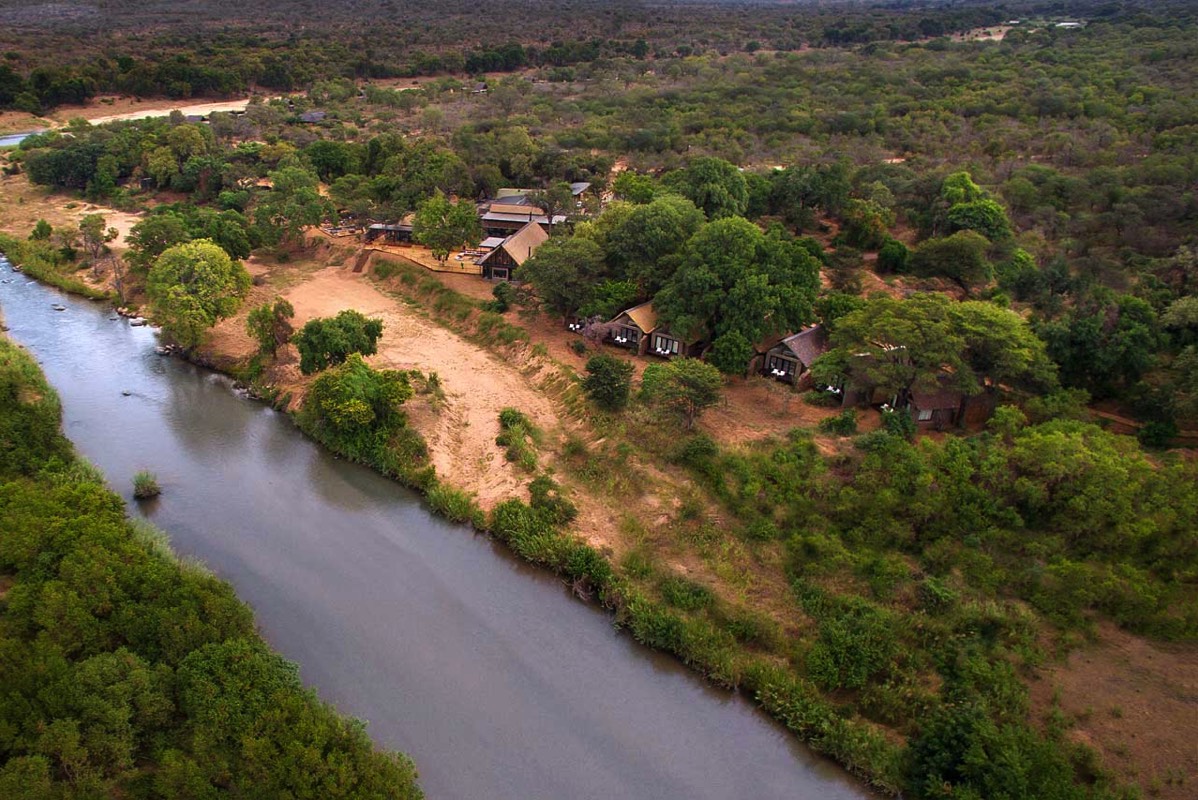
The landscape and vegetation of Klaserie is very rough and diverse. There's the Klaserie river winding it's way through the reserve, carving out beautiful valleys, and there's rather flat sections. There's sections with very lush vegetation, but sections with lots of boring mopane as well.
Most lodges are very affordable, but you need to make sure you choose one with decent traverse, allowing you to get away from the "mopane blocks". We can help with that.
Klaserie reserve is conveniently close to Hoedspruit Eastgate airport, but it is quite big, so if you choose a lodge far "at the back" (close to the Klaserie- or Olifants rivers) then it is still a long drive to get there.
Timbavati Private Nature Reserve & Umbabat
Gorgeous bushveld with great game viewing, but no perennial rivers.
The choice of lodges is actually more diverse than the landscape. There's very expensive lodges as well as very affordable ones, but strangely enough that seldom has anything to do with the amount of traverse a lodge has. It's not necessarily because you pay more that you get to drive around in a bigger area. It has more to do with the name a lodge has made for itself, and with the way a lodge is marketed.
Also; there's lodges not traversing with anyone else, and despite their smaller traverse their game drive results are fantastic. But not in all cases! We can help you get the best deals.
Sabi Sand Game Reserve
The private reserve that started he typical "low volume high quality" safari tourism. By now it's almost fully commercialised; most farms have a safari lodge.
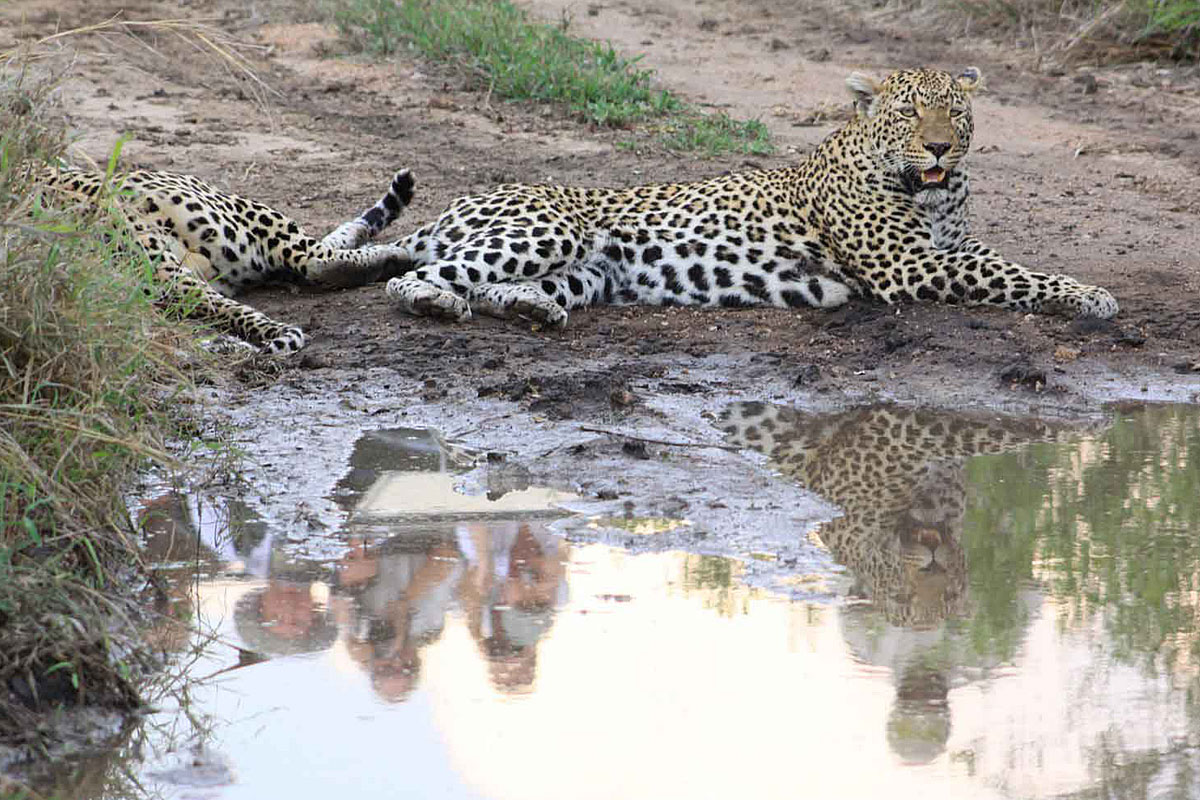
The reserve has made quite a name for itself, and so have a lot of the lodges. As such it's on average more expensive than any other reserve, but if leopards are your thing then it is certainly worth the extra money; the leopards in Sabi Sand are very relaxed around vehicles, as they are used to seeing lots of game drive vehicles.
Balule Nature Reserve
The reserve farthest north and west of all private reserves that are unfenced towards Kruger National Park.
The Olifants river runs through it, west to east, and that section is very beautiful, but close to the river, on either side, the landscape is also very rough and rocky.
There's a section to the south of the river (strangely enough called "Olifants West" that has a number of lodges that share a huge area to drive around on.
But the most beautiful section is actually the "Maseke" section, which is north of the river. The landscape there is simply stunning, and lodges are very affordable, compared to (most but not all) lodges to the south of the river.
Manyeleti Game Reserve
Manyeleti reserve is not made up of private farms. Rather, it's community owned.
That means that it's a bit less commercialised in comparison to it's neighbours Sabi Sand and Timbavati (private businesses such as lodges would rather own the farm they operate on).
However, the lodge that are on there, can all drive the total of the reserve, which is more than 20000Ha! This is certainly an advantage.
There's affordable and less affordable lodges, and most are very good. But one of the cheaper ones is no longer on our list because it is not maintained properly.
Thornybush Game Reserve
The latest reserve to drop it's fences and become part of the Greater Kruger Area.
There's many lodges on Thornybush, and some are rather large, so there's a decent number of game drive vehicles driving around, but because the landscape is hilly and the vegetation is very dense and lush, with lots of windy two-tracks running through it, you do not encounter more game drive vehicles while on safari than anywhere else.
Most lodges on Thornybush have above-average prices, but their level of service is exquisite.
Karongwe Private Game Reserve
Karongwe is a small & fenced reserve, less than 100 square kilometers in size, located between the towns of Hoedspruit and Tzaneen.
As the reserve issn't that big, it's quite easy for the guides to spot all major animals. This may be an advantage for people with limited time for safari. Most lodges on this reserve are reasonably priced as well.
Makalali Game Reserve
Makalali is a fenced reserve, just like it's neighbour Karongwe, but it's bigger in size; about 220 square kilometers.
The distant backdrop of the Drakensberg escarpment makes for nice backdrops in your wildlife shots.
There's a bit less lodges here (in comparison with Karongwe), and most are a bit higher in price, but as the reserve is bigger it does give you more of a feeling of being in a really wild area.
Kapama Private Game Reserve
Kapama is actually not part of the Greater Kruger Area yet, as it is a fenced reserve with no open border towards Kruger National Park or any other private reserve that is part of the GKA.
However, it is worth a mention here, because it is the perfect option for someone with limited time for the safari portion of his/her trip; guides are typically able to find the big 5 for you, multiple times over, in just a day or two.
Our favourite lodges
nThambo Tree Camp
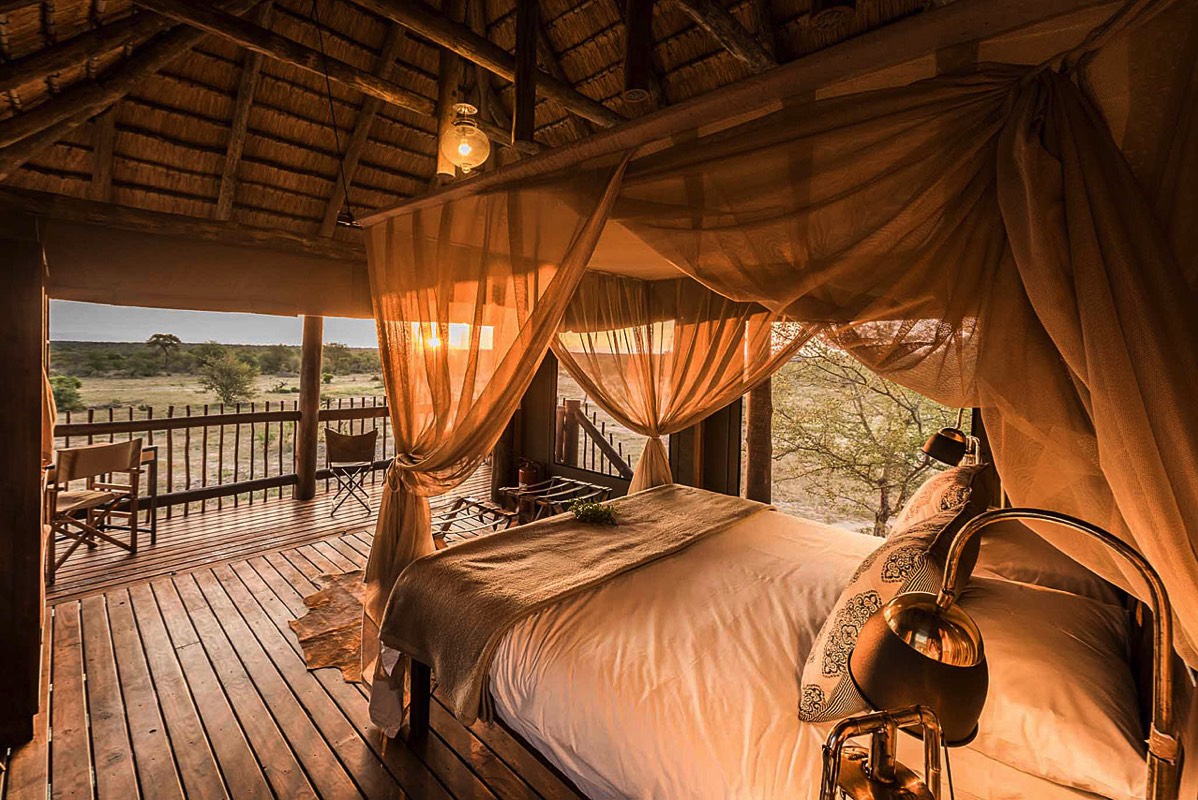
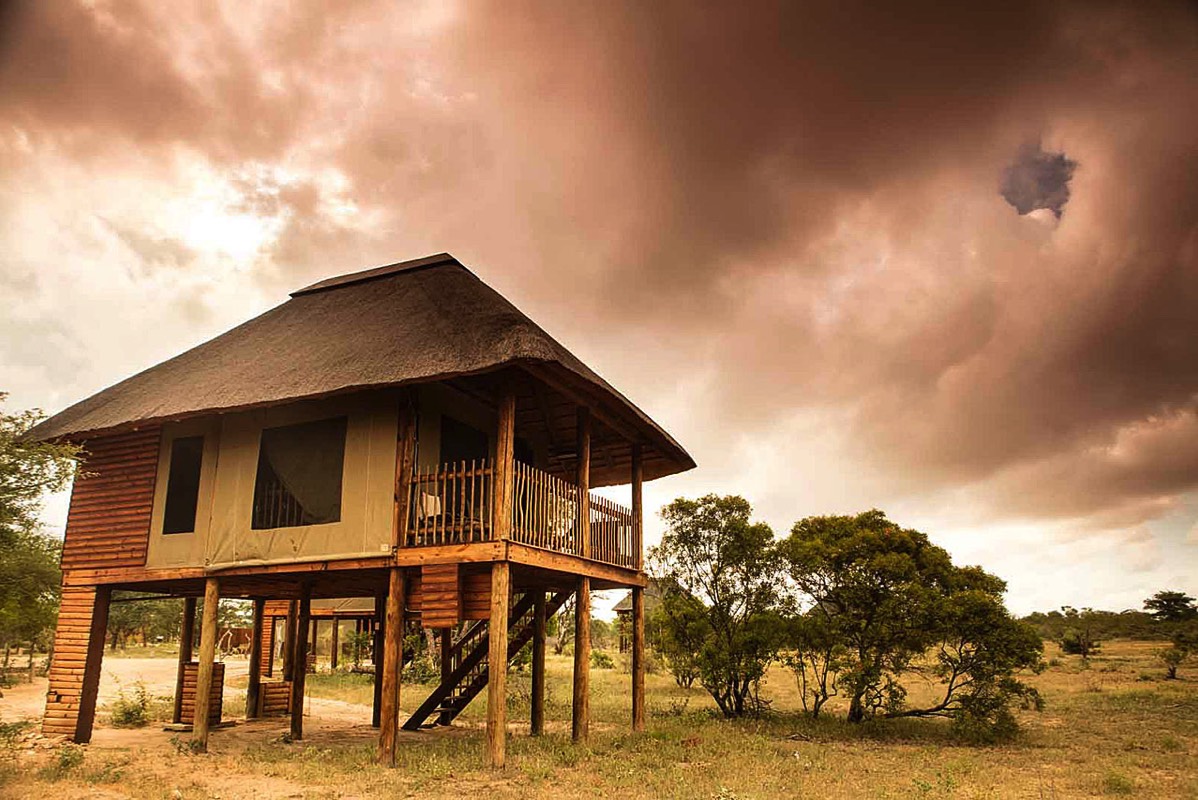
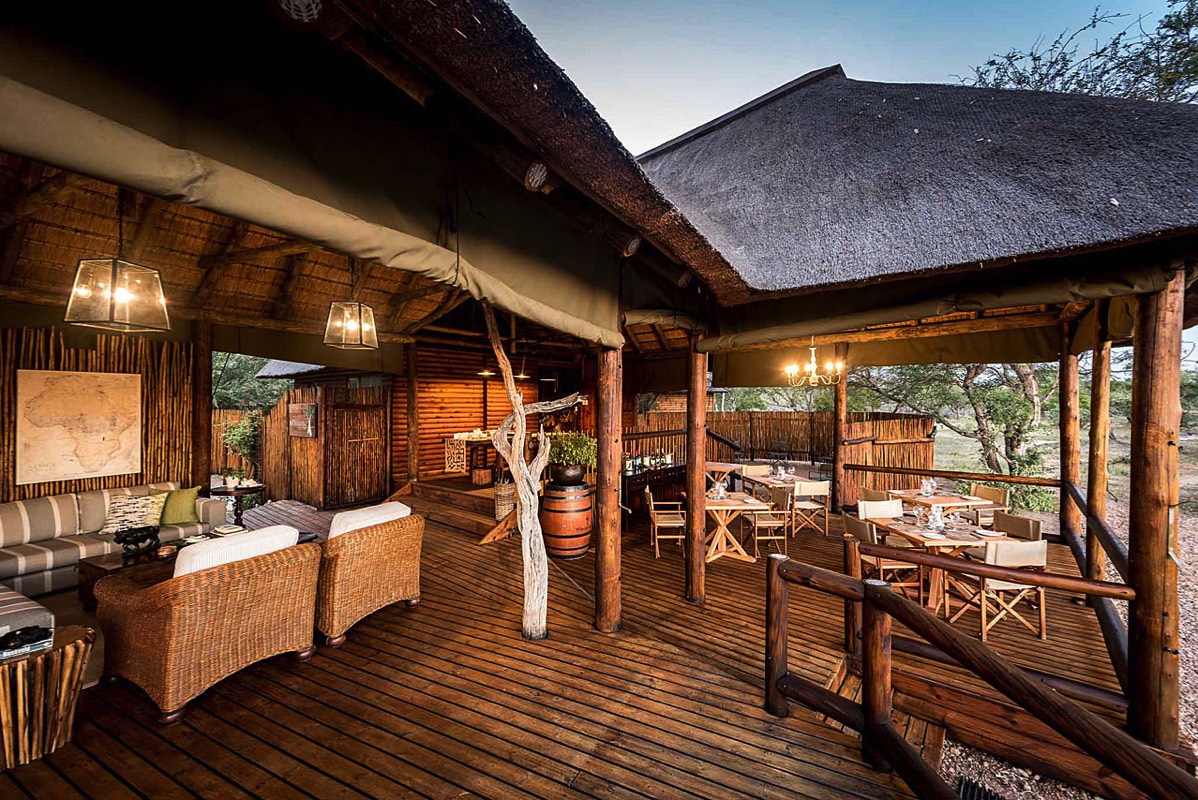
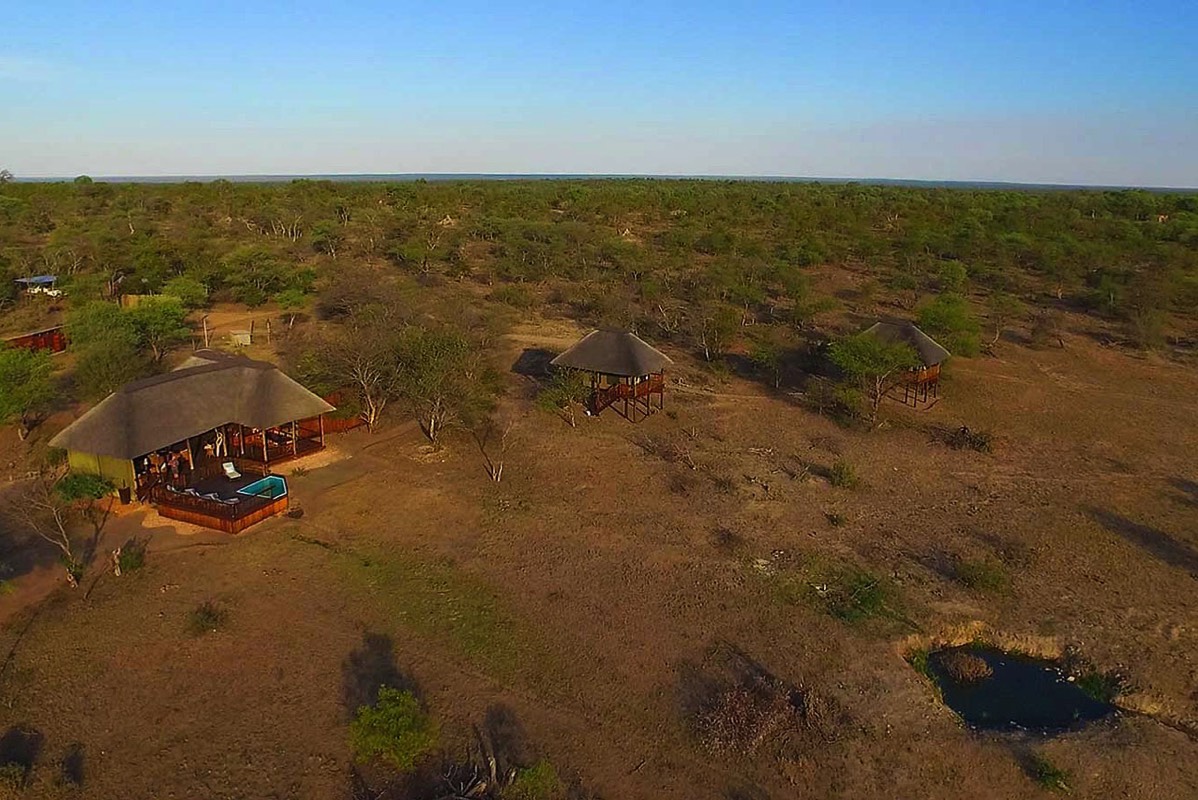
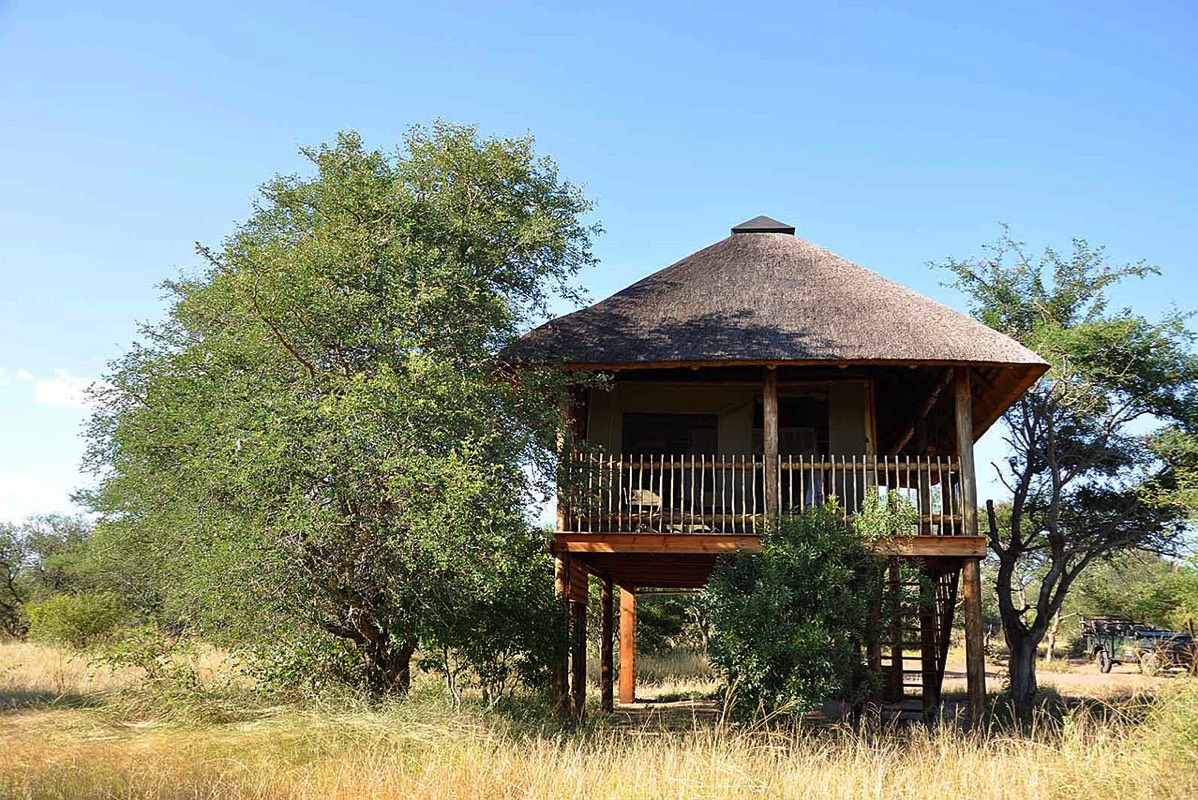
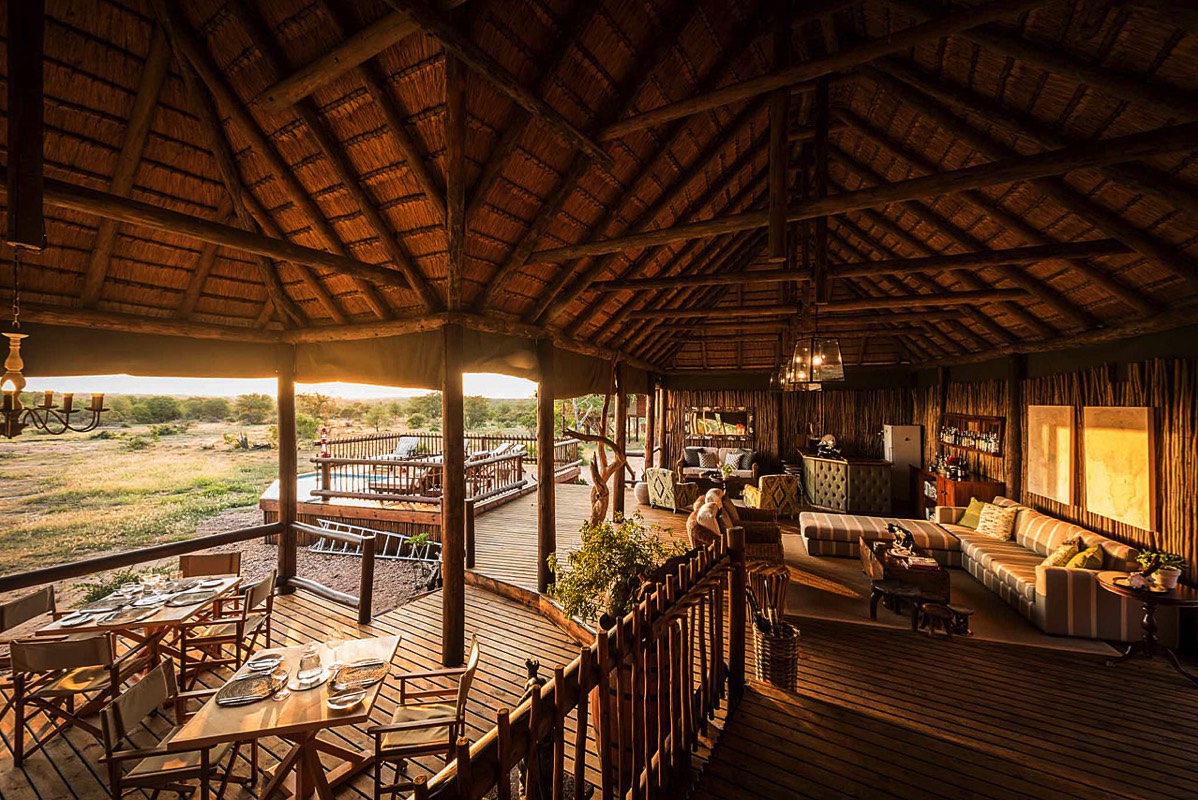
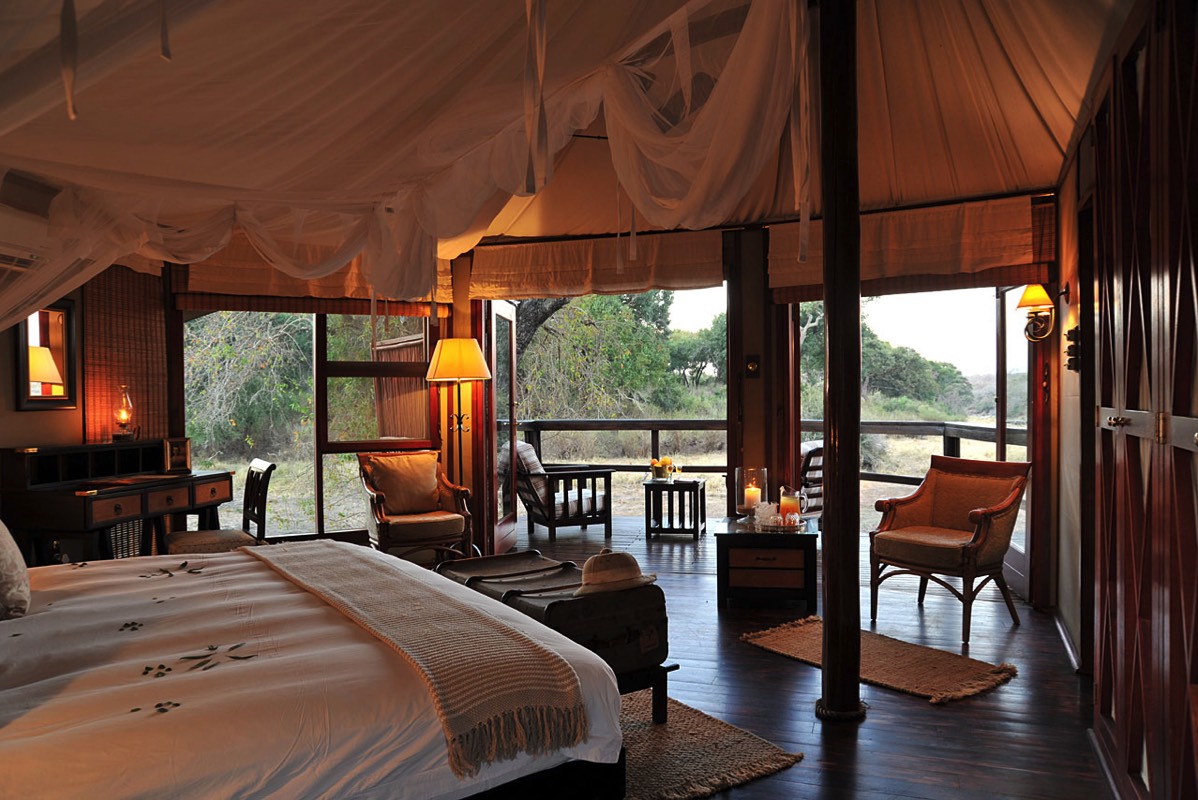
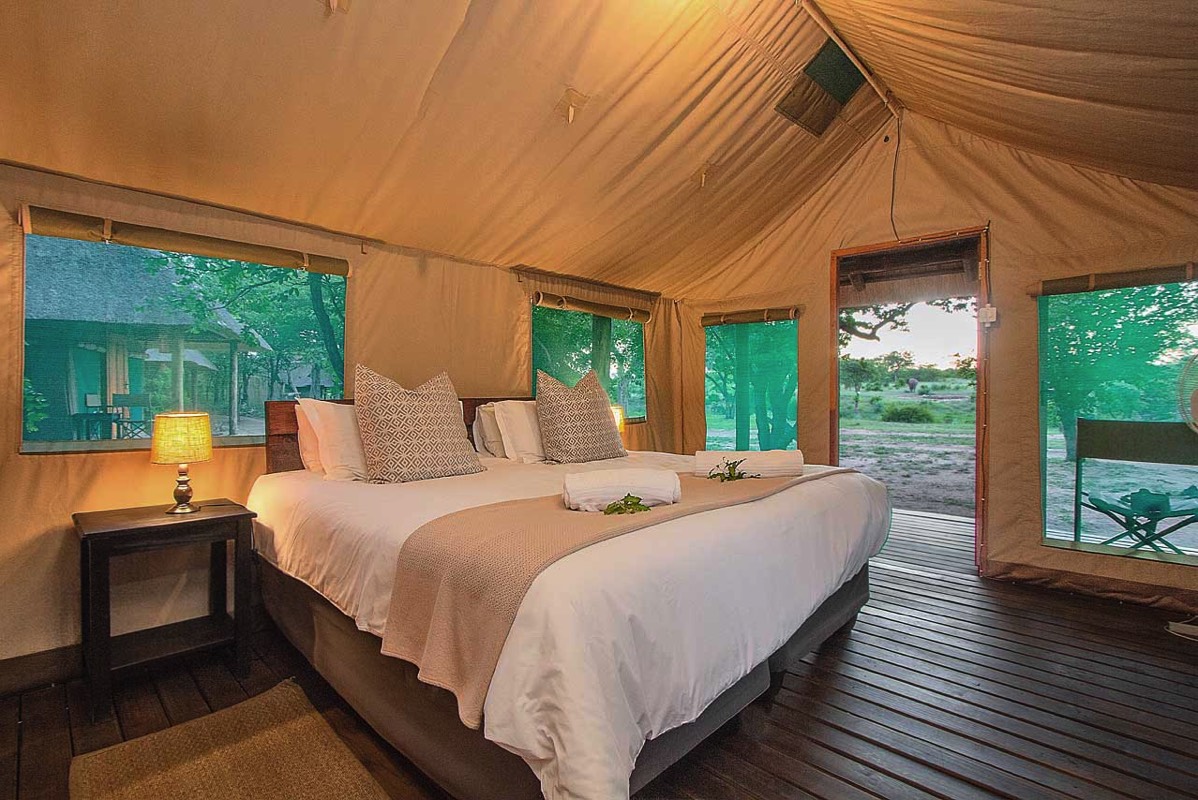
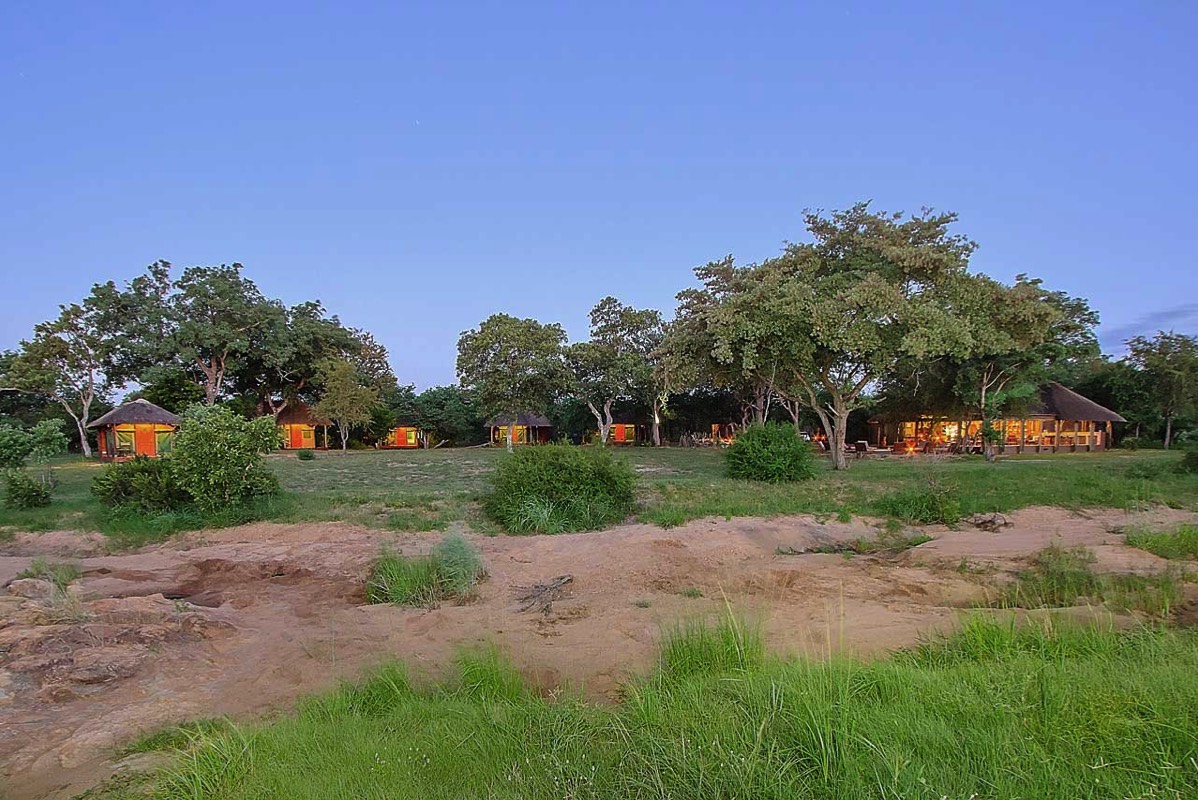
Accommodation; Elevated huts with a thatch roof and semi-canvas, semi-wooden walls. Very romantic feel. View over the bush and the mountains.
Room type; Double beds, two persons maximum. Standing fan. Electricity from solar and generator. Wifi in central area.
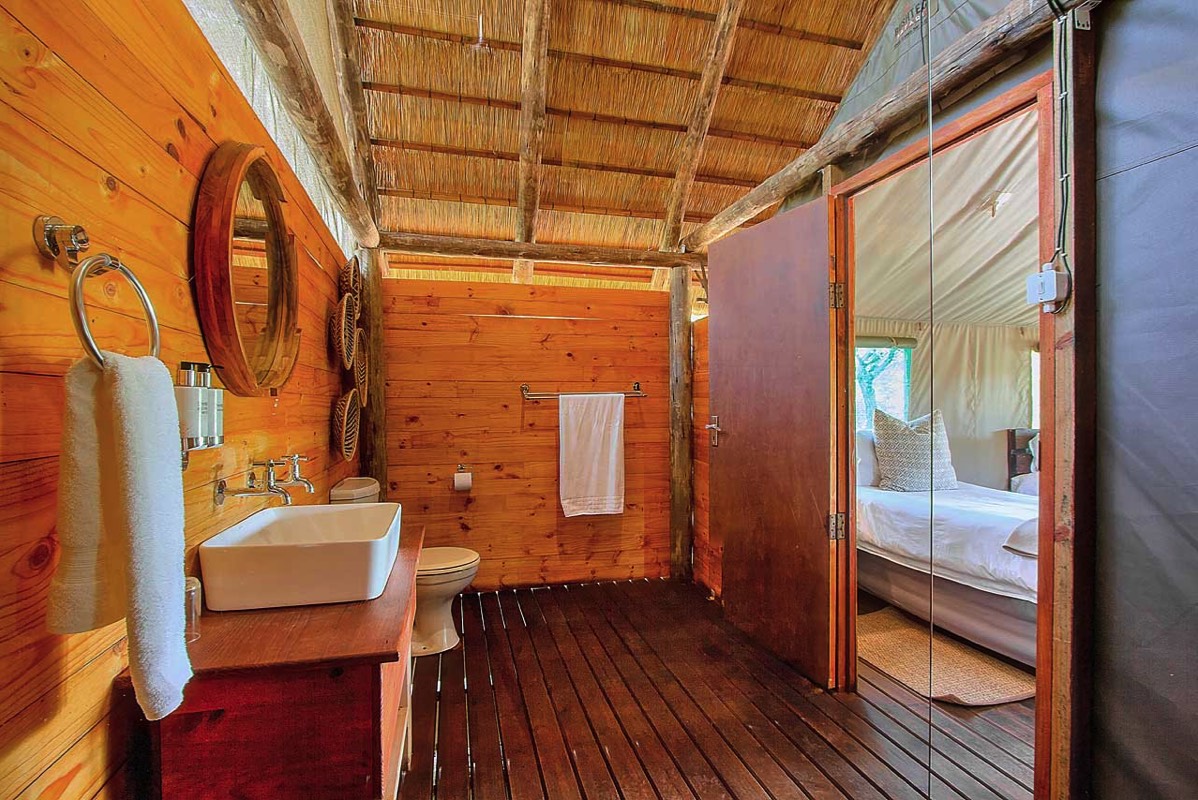
Bathroom; Toilet, single wash basin & shower.
Location; Klaserie reserve, SW sector, easy to get to Hoedspruit Eastgate airport.
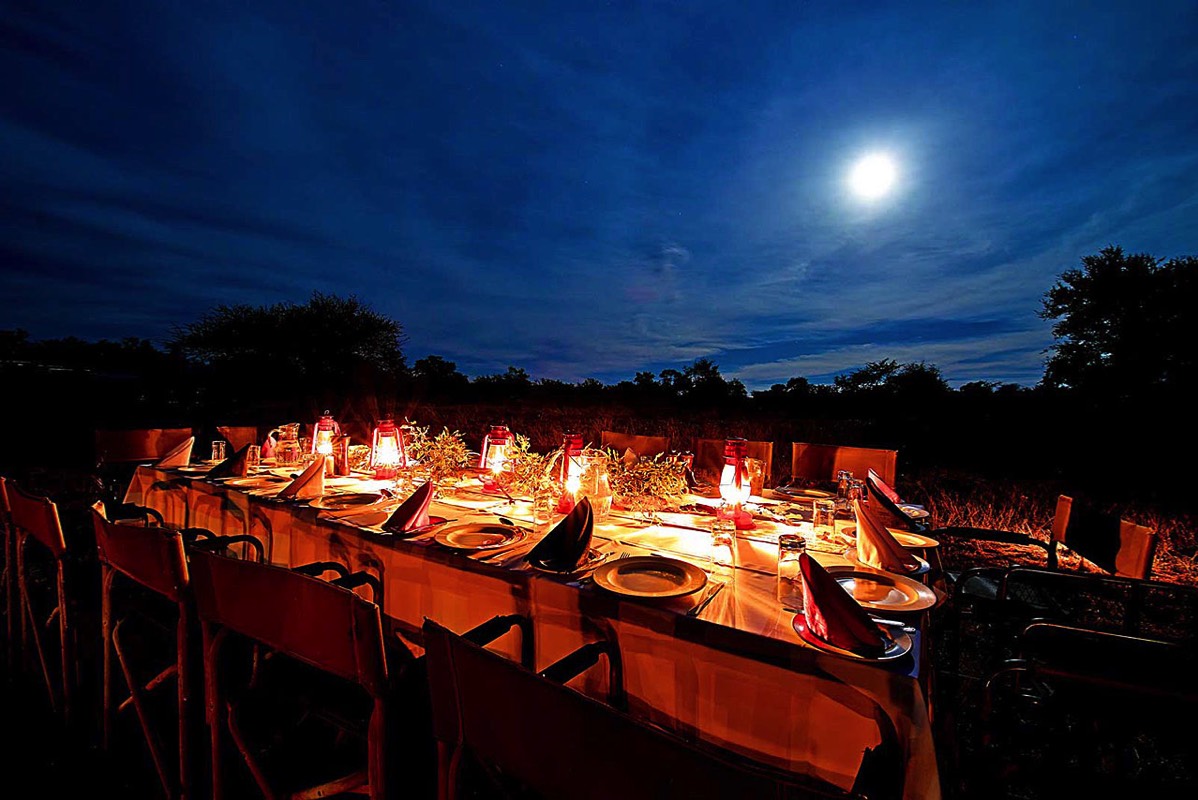
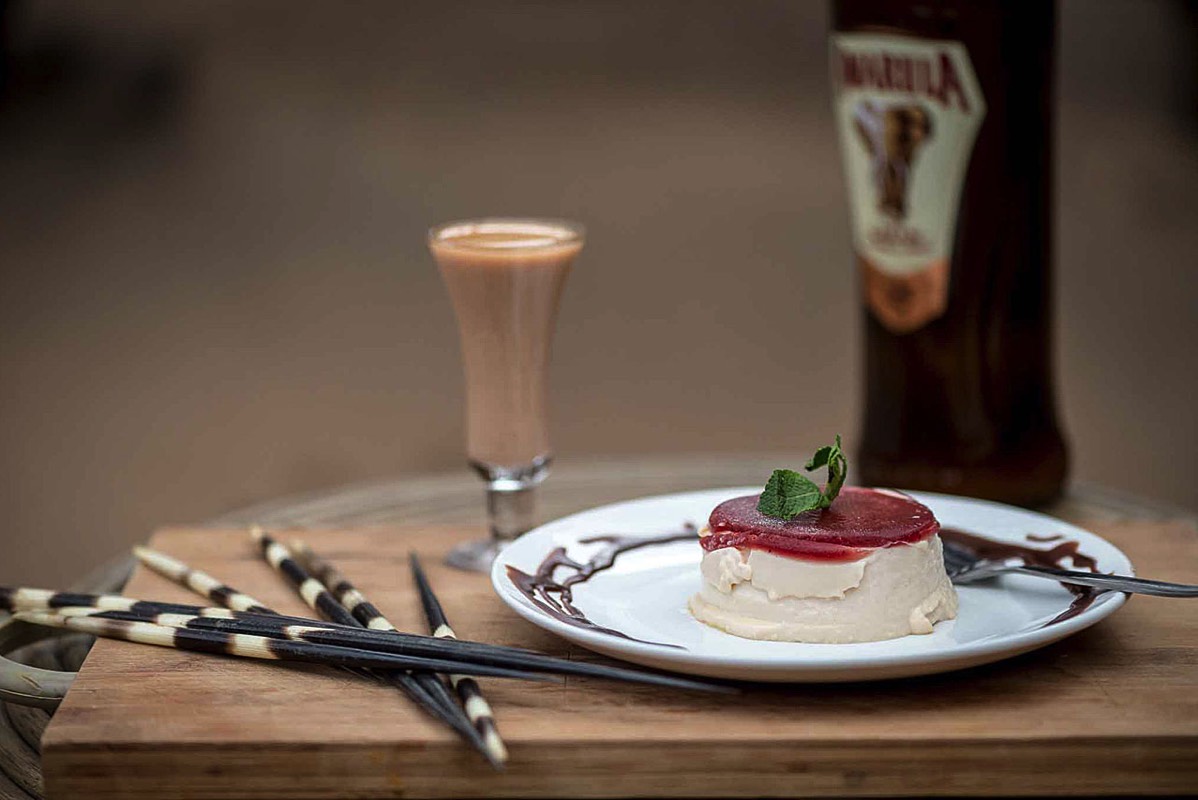
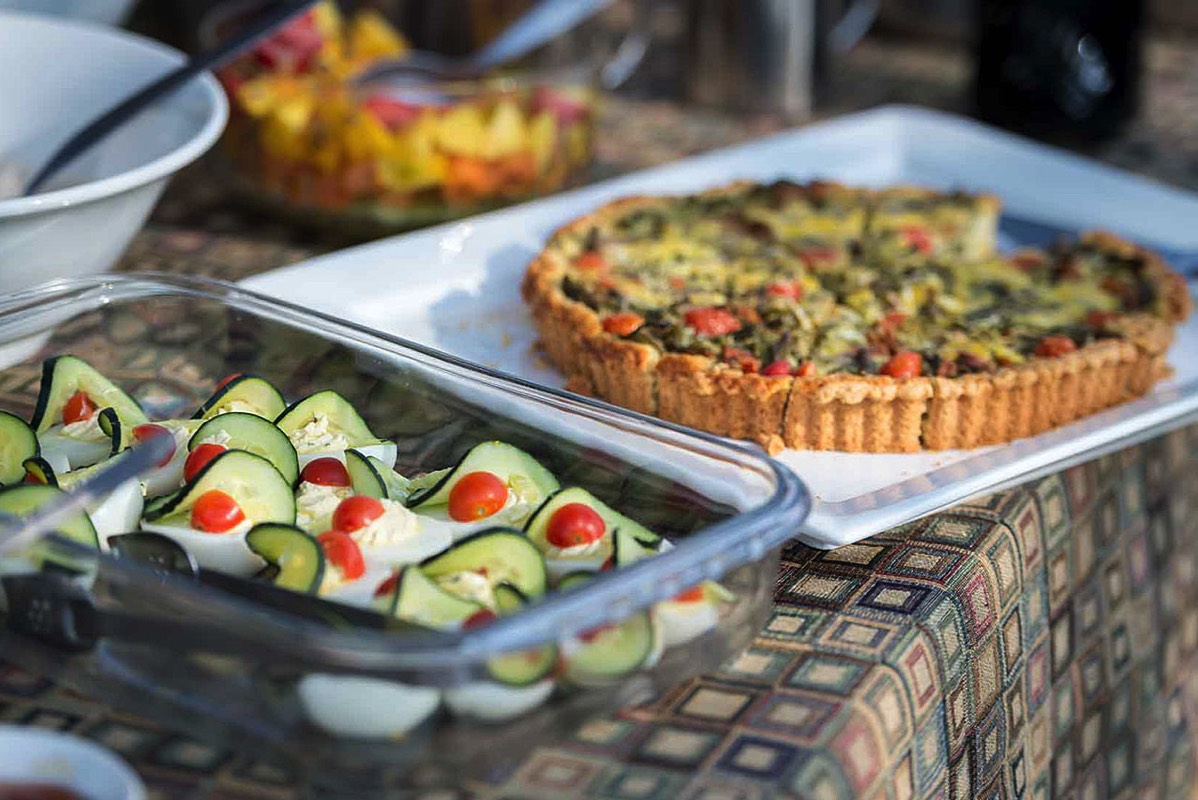
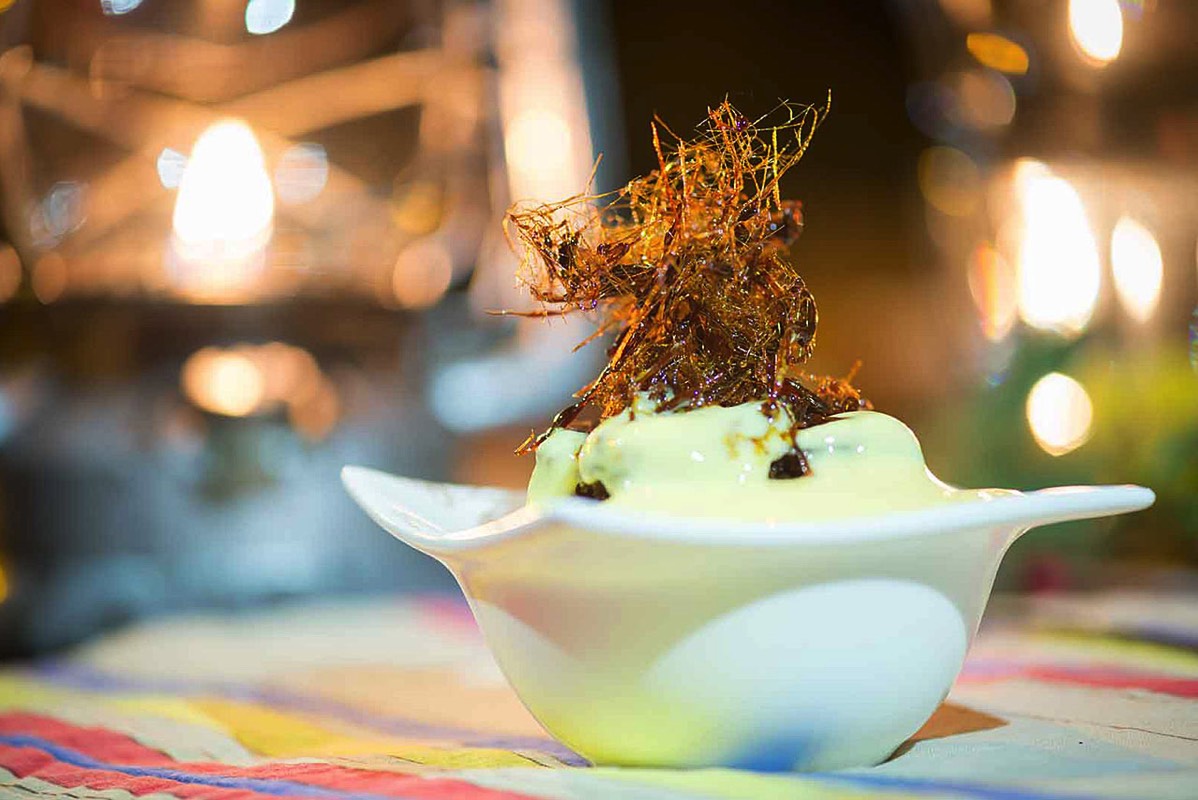
Meals; Plated, delicious local cuisine.
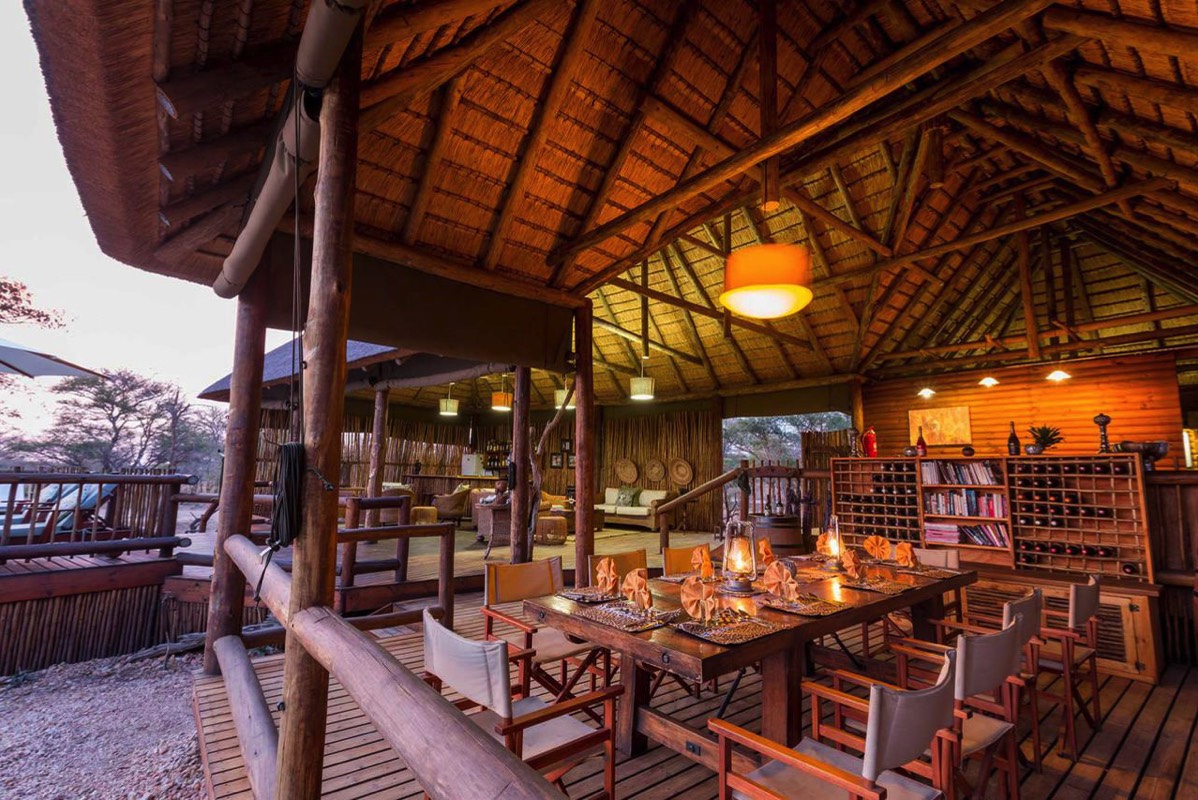
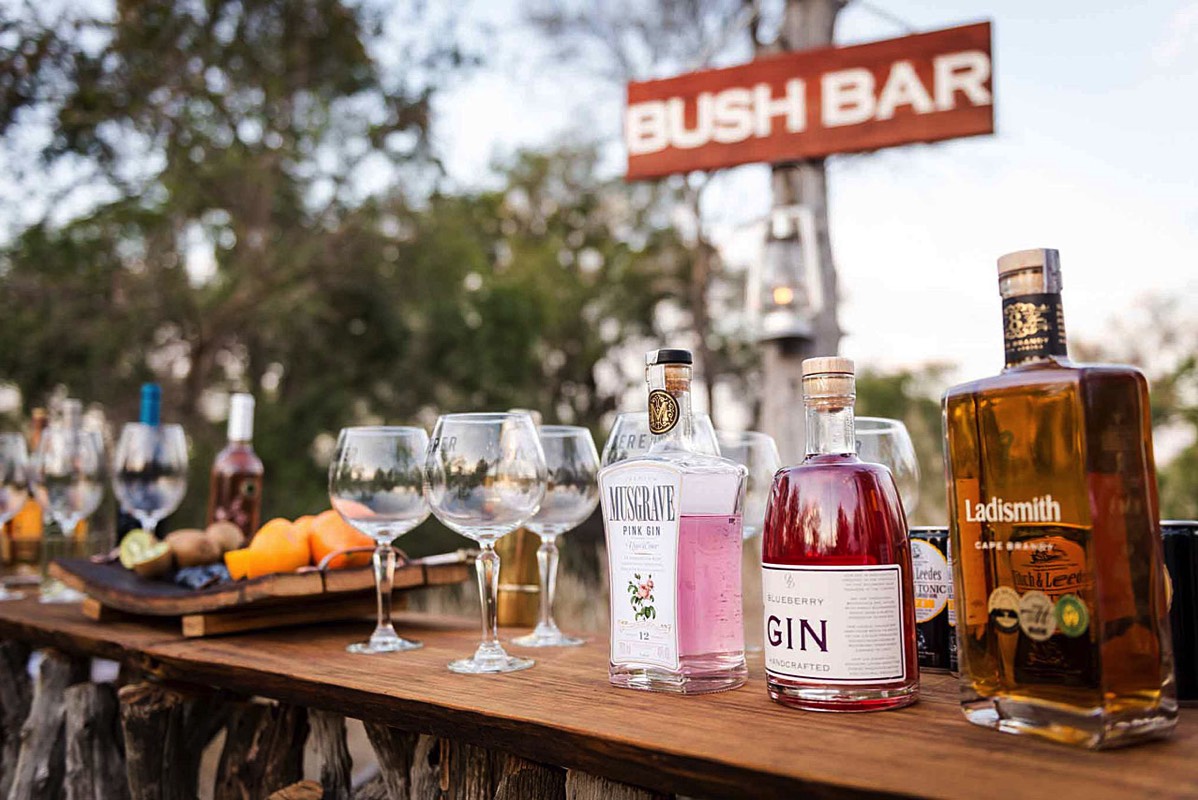
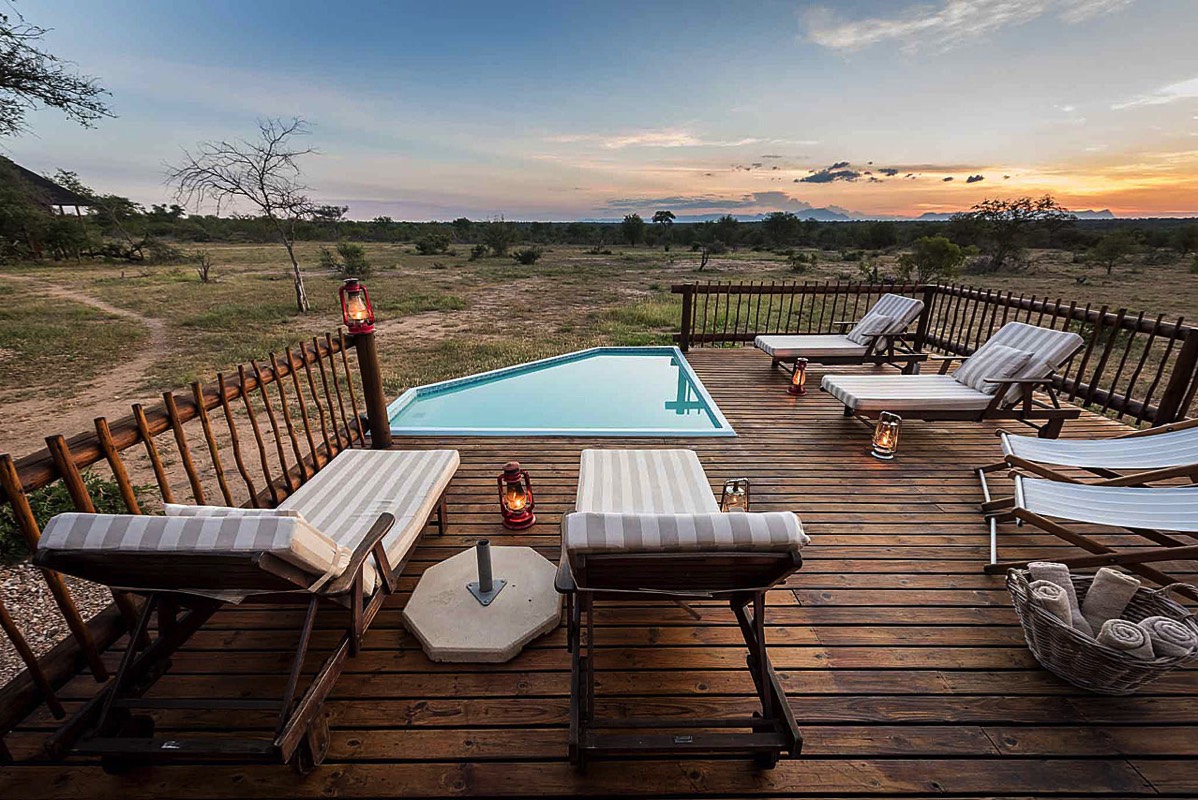
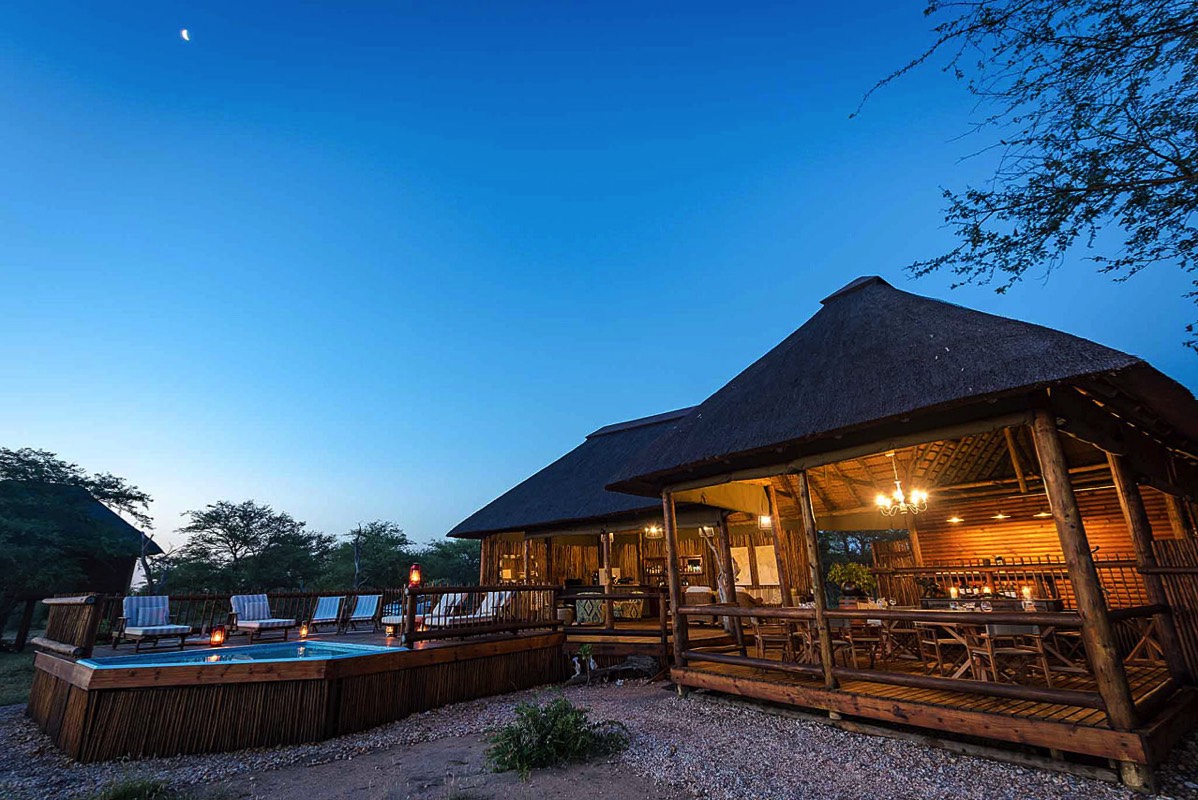
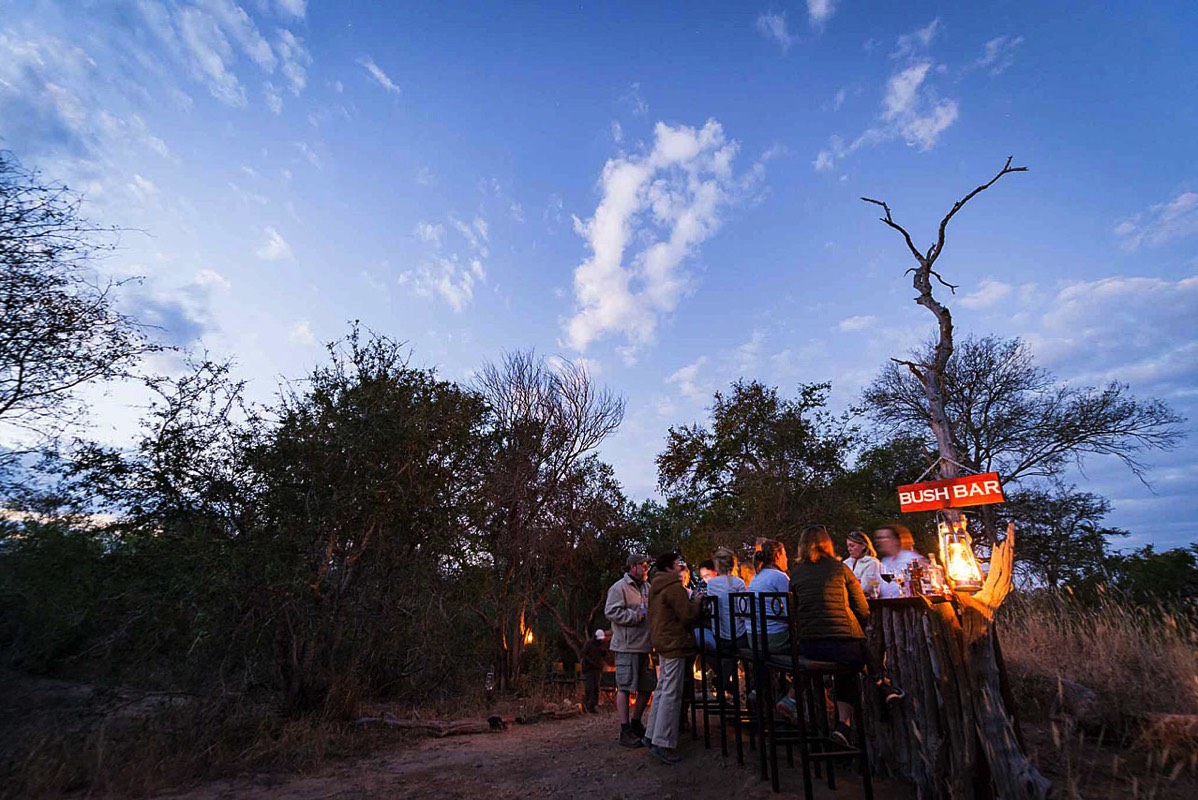
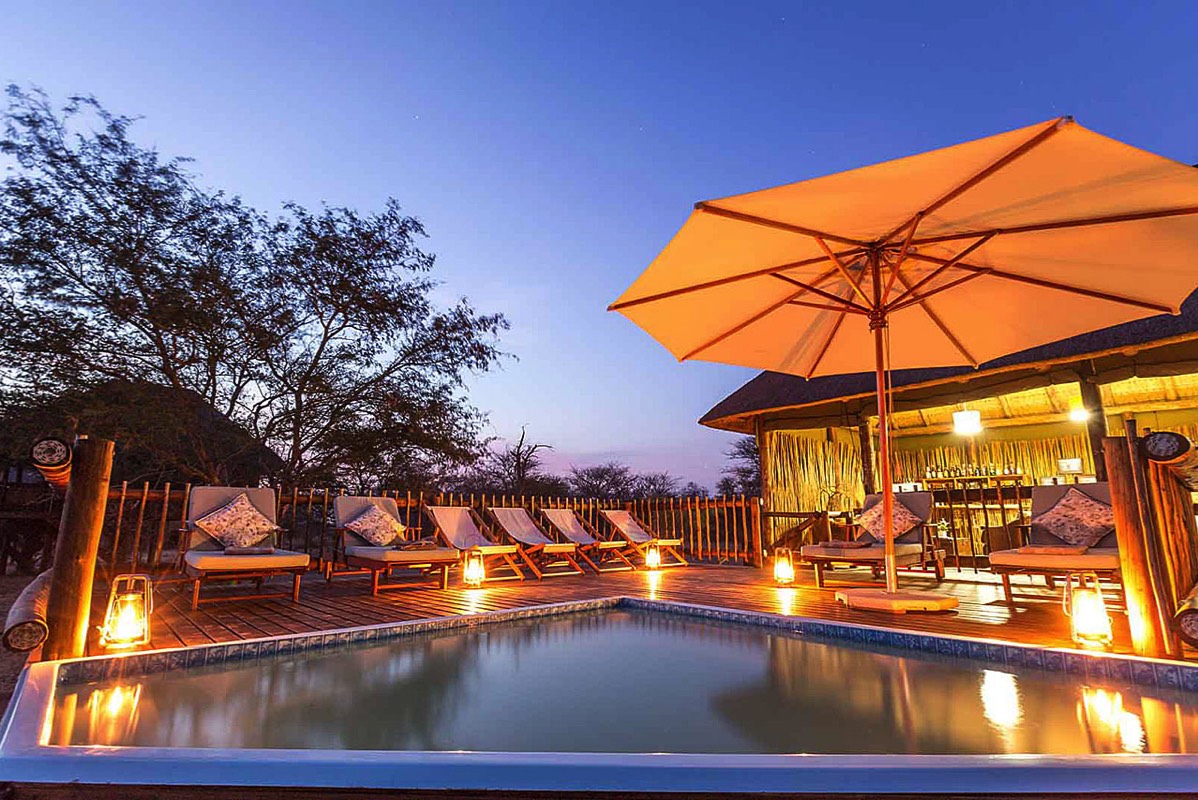
Lodge facilities; Bar & salon, plunge pool, sun deck, campfire boma, curio shop.
Activities; Morning- & afternoon game drives.
Price Range; 250-300$ pppn.
Singita Lebombo
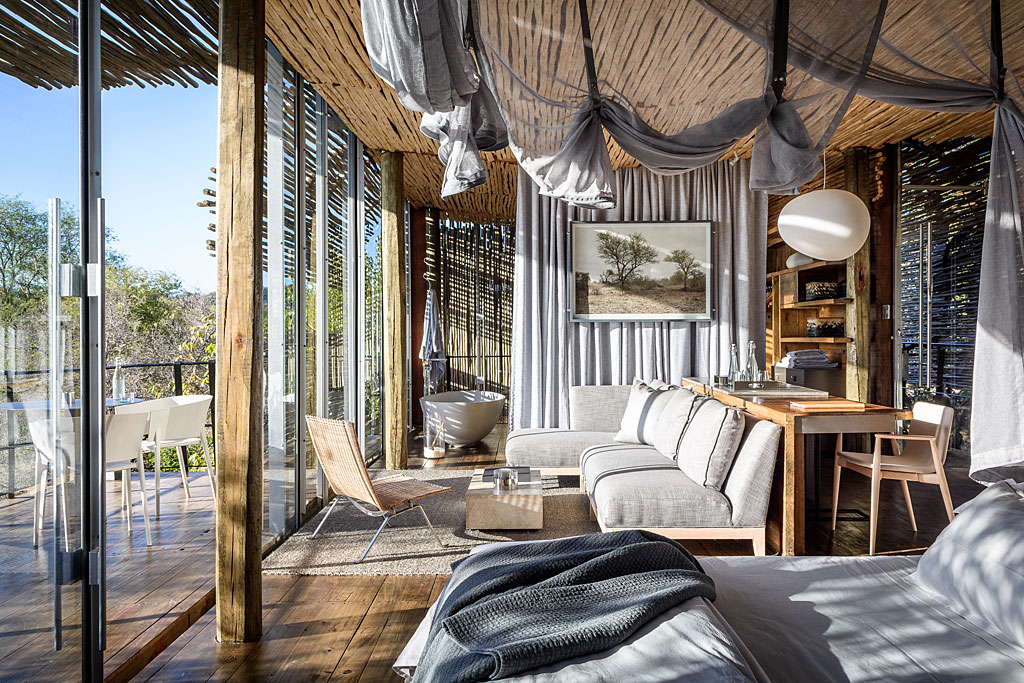
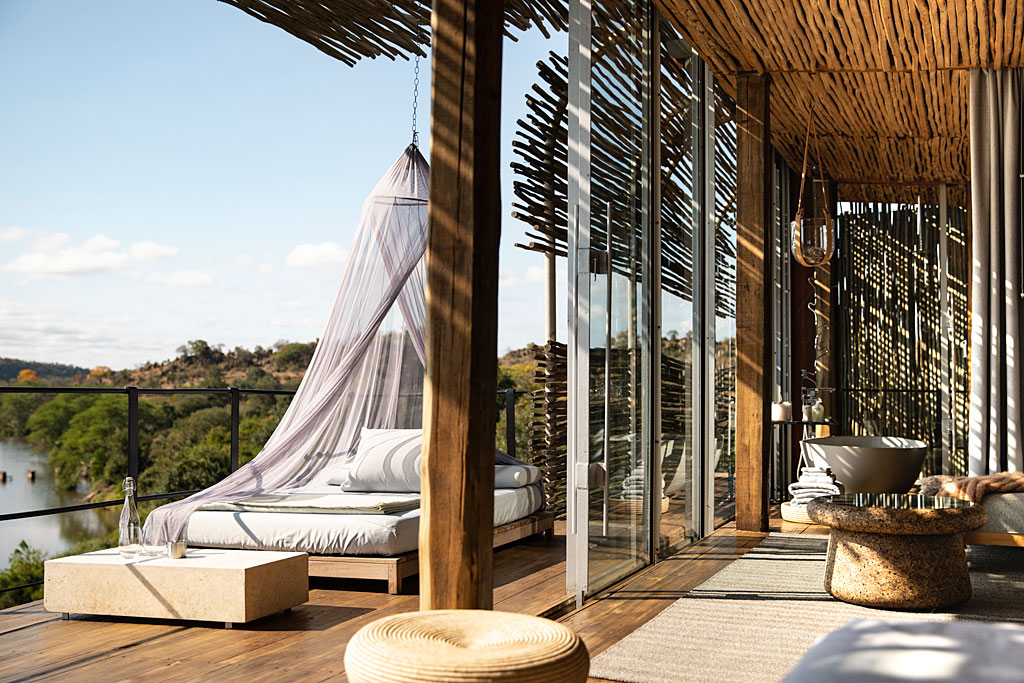
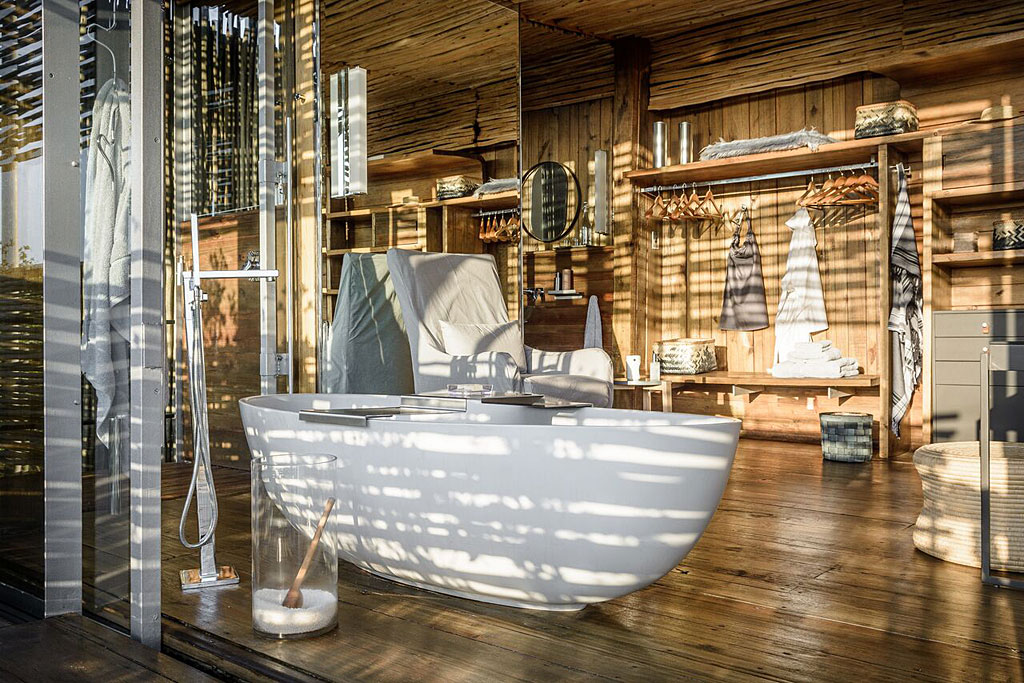
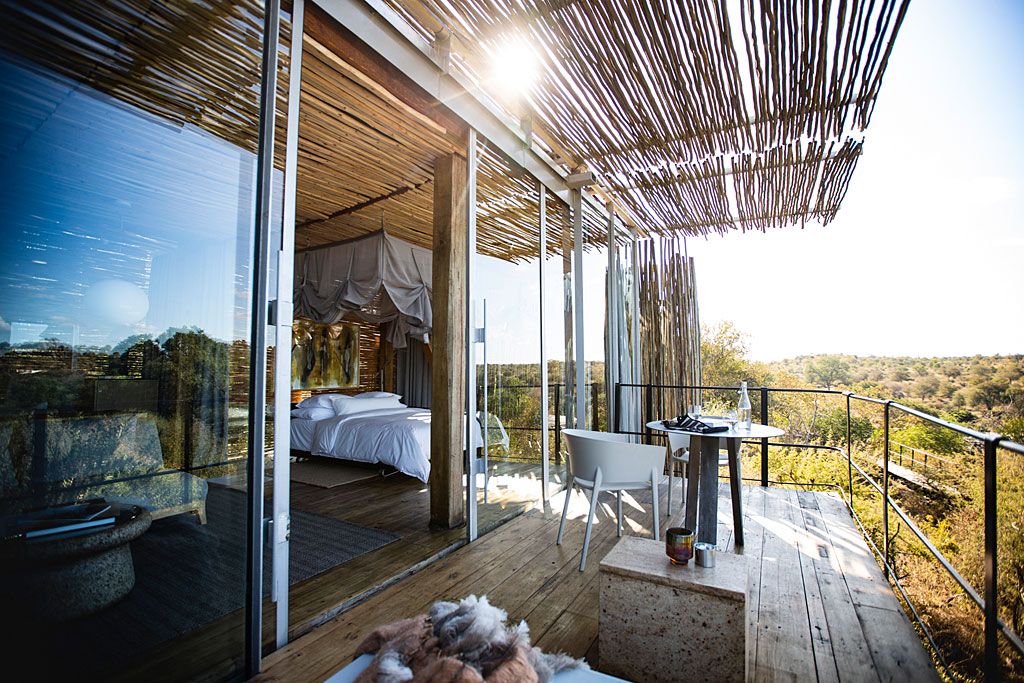
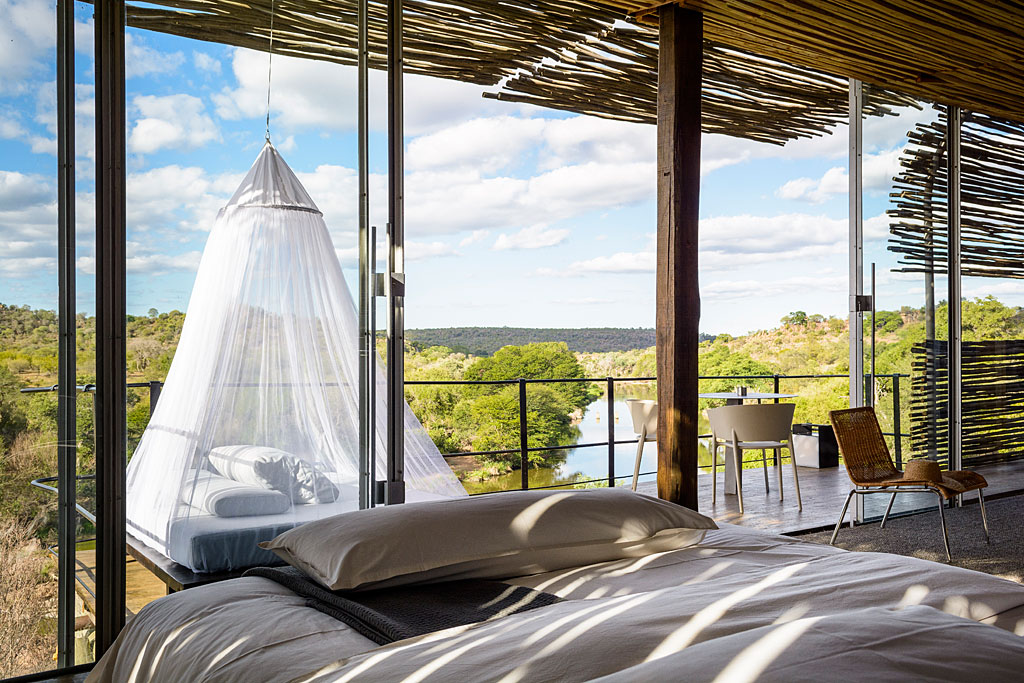
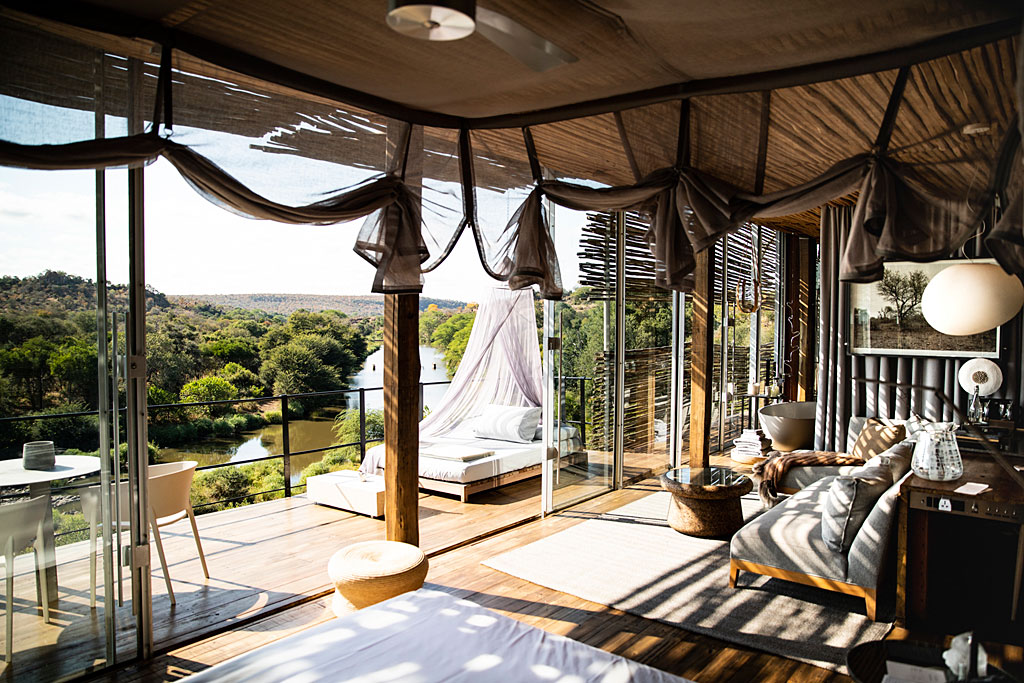
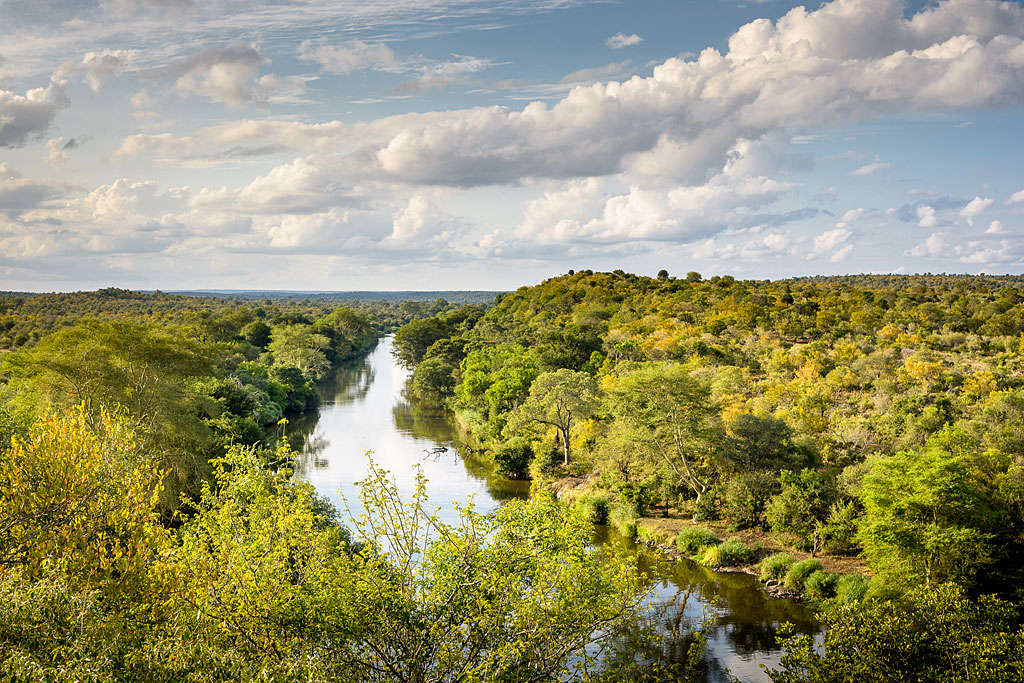
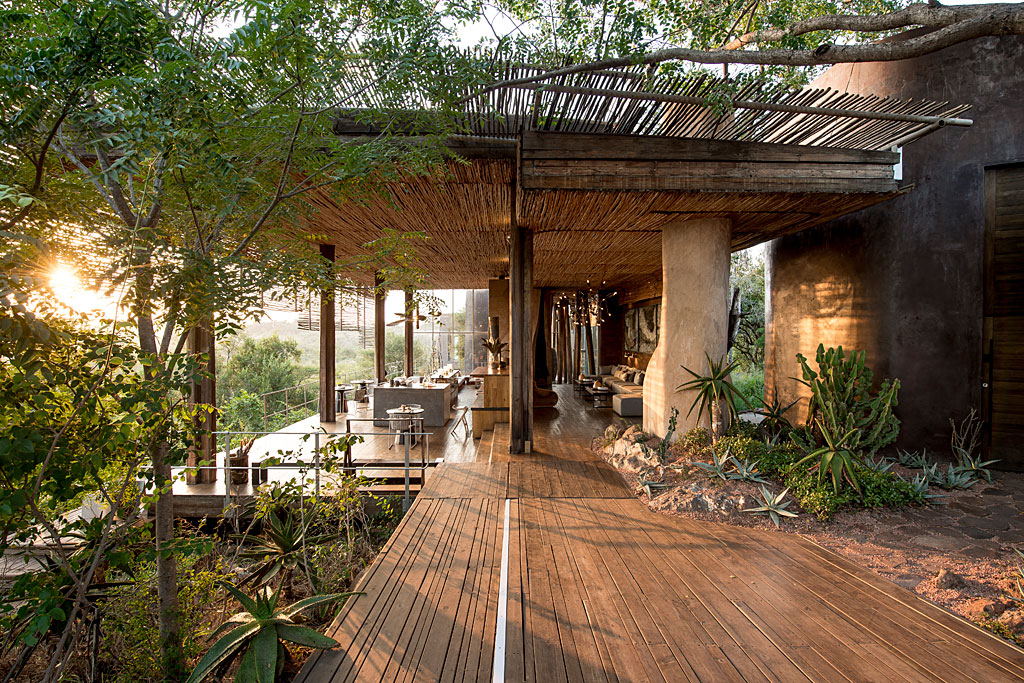
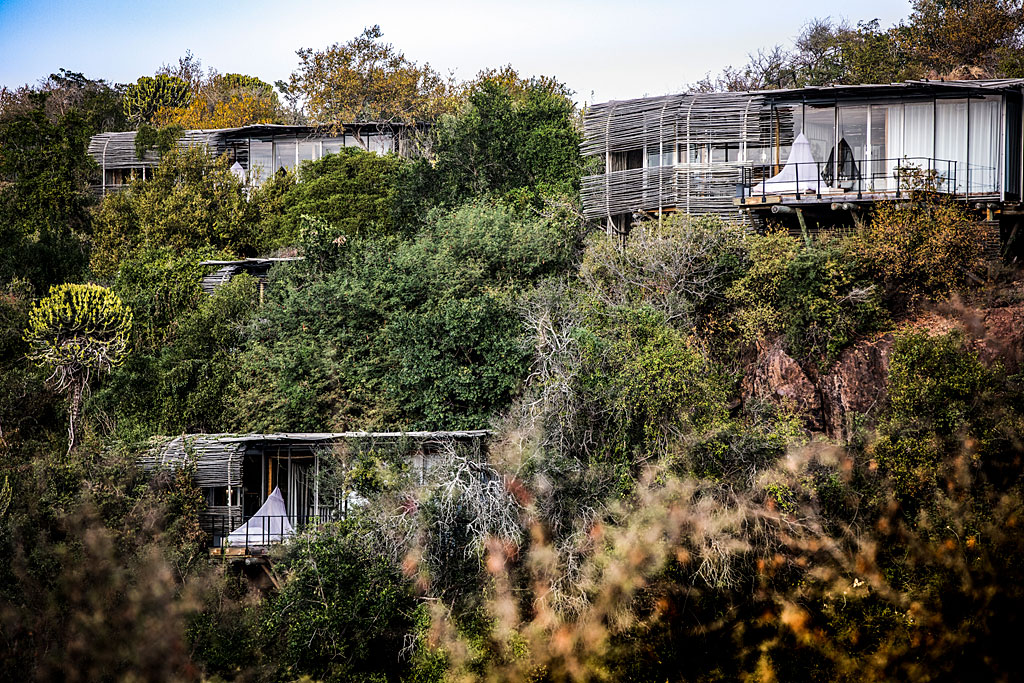
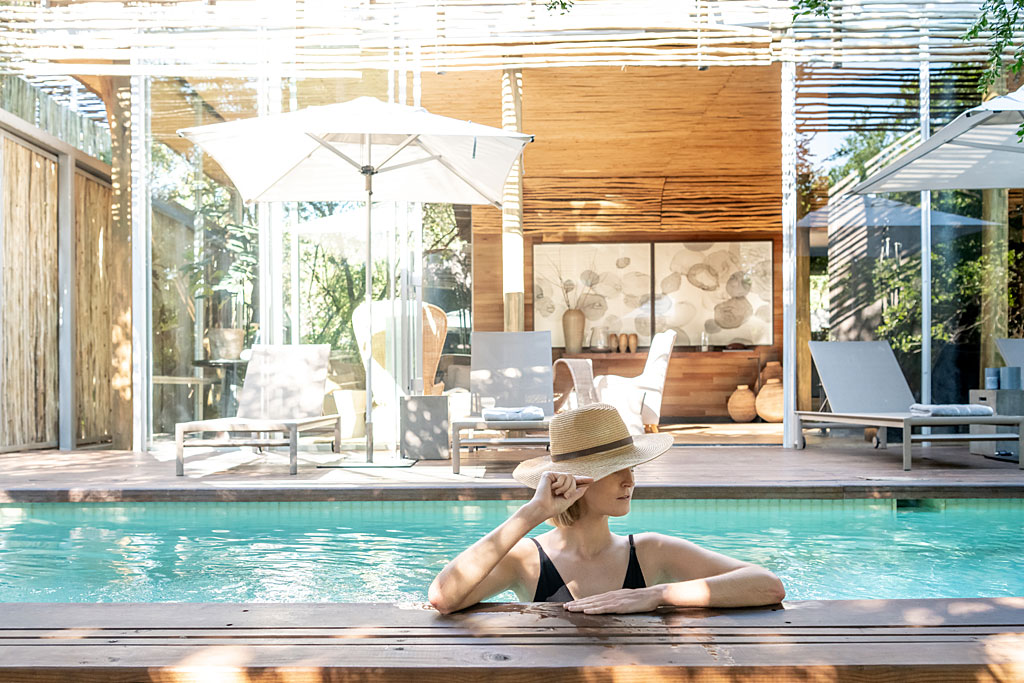
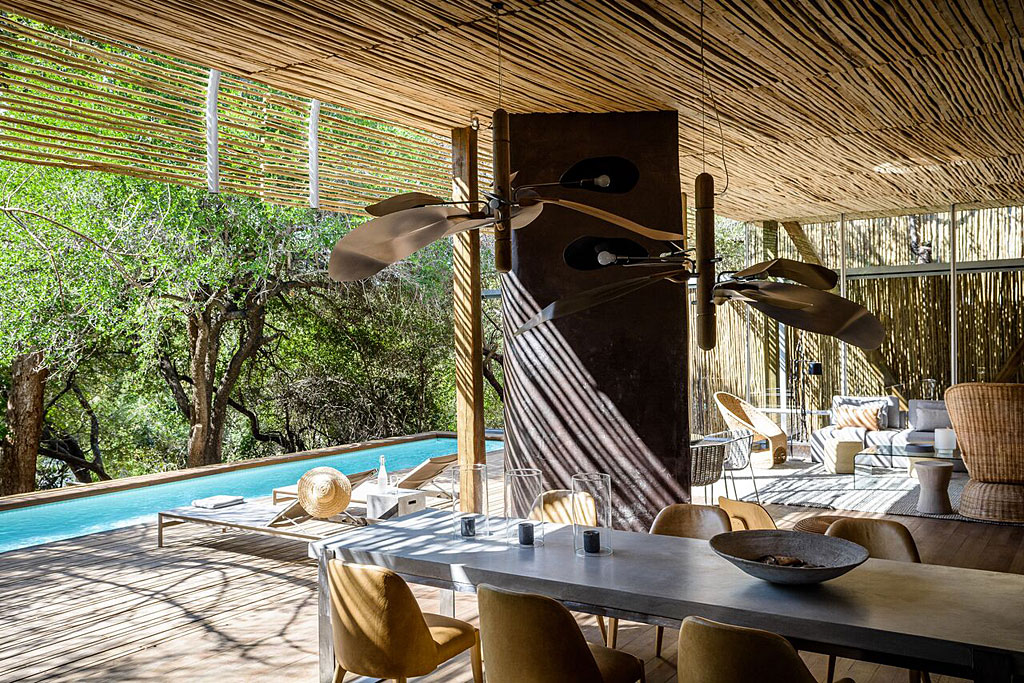
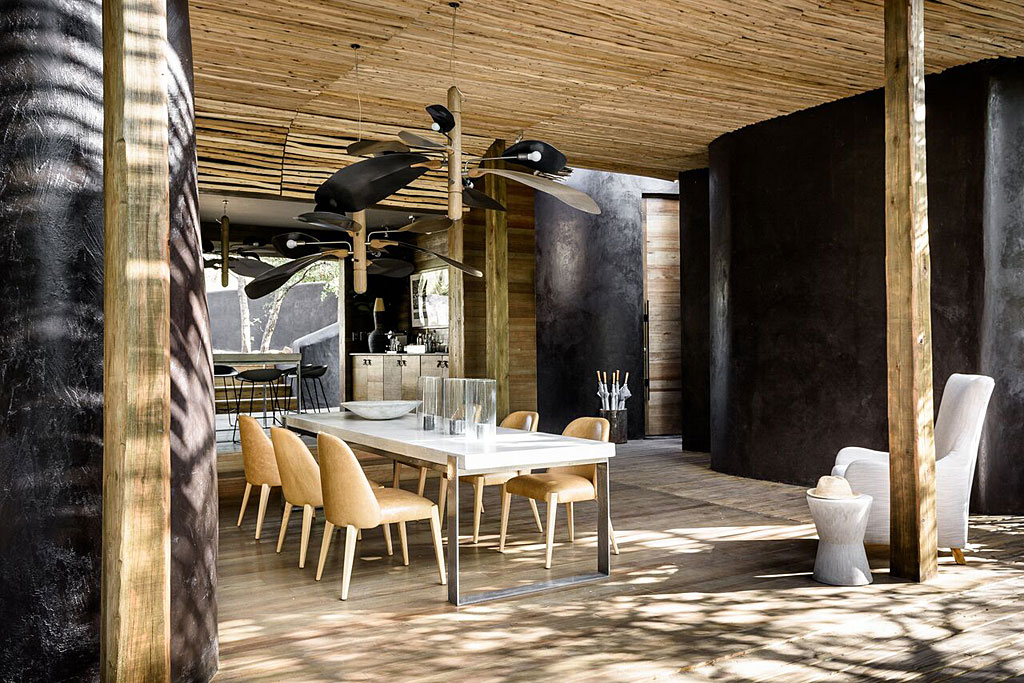
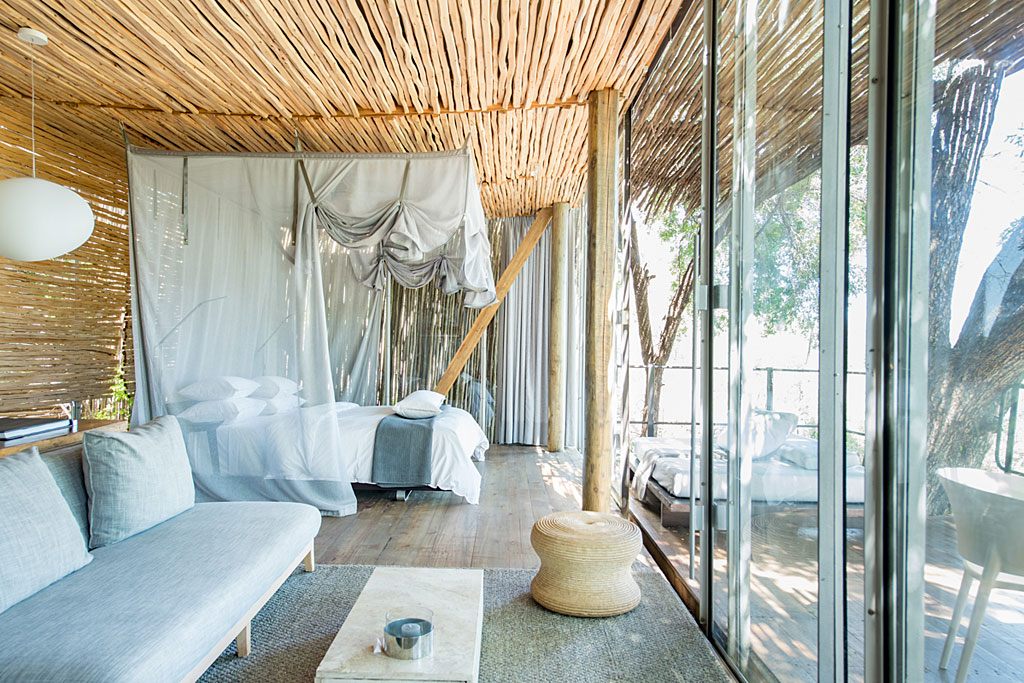
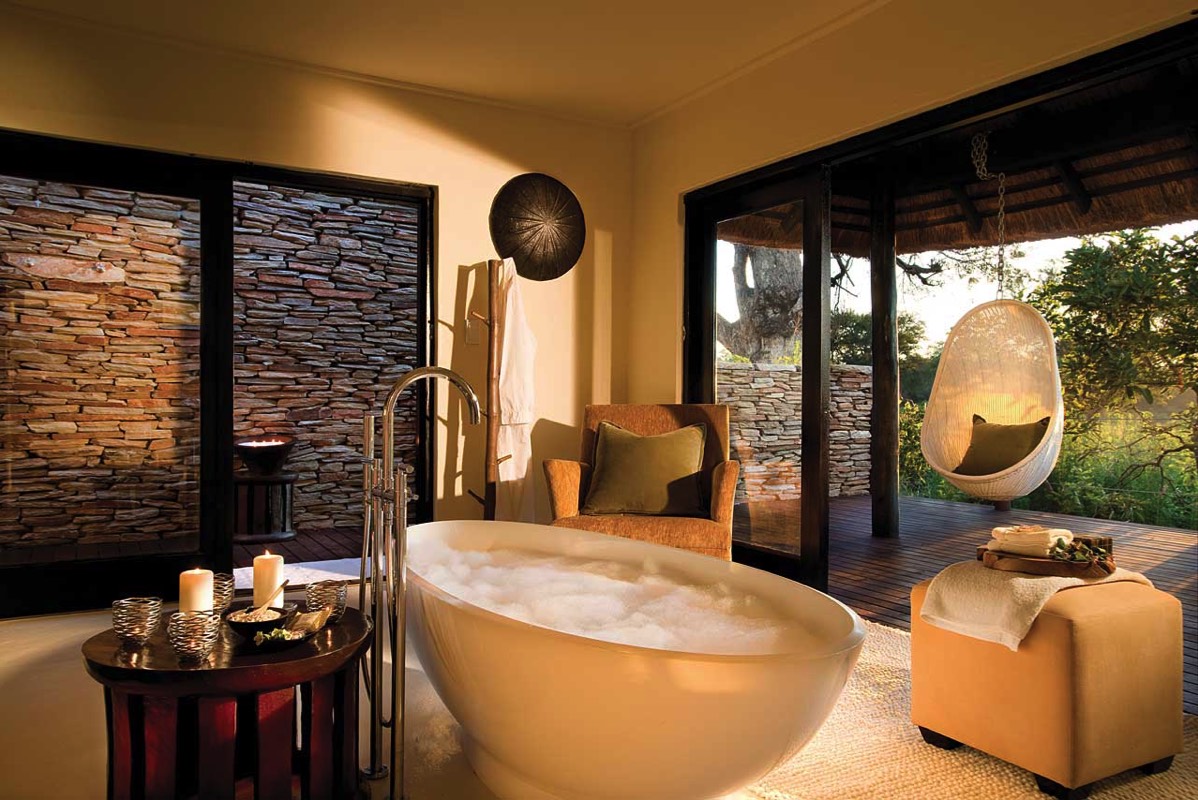
Accommodation; 15 glass cuboid suites cantilever out from the rock face and offer panoramic vistas across the Sweni River and climbing hills beyond.
Room type; Double or twin bed setup. Air conditioning and overhead fan. Game viewing deck with day bed. Wifi. Family rooms (4pax) have a private plunge pool.
Location; Imbali Concession, Kruger National Park. About 2,5h from Hoedspruit airport.
Meals; Plated, homemade baked goods and local specialities, international and African flavours.
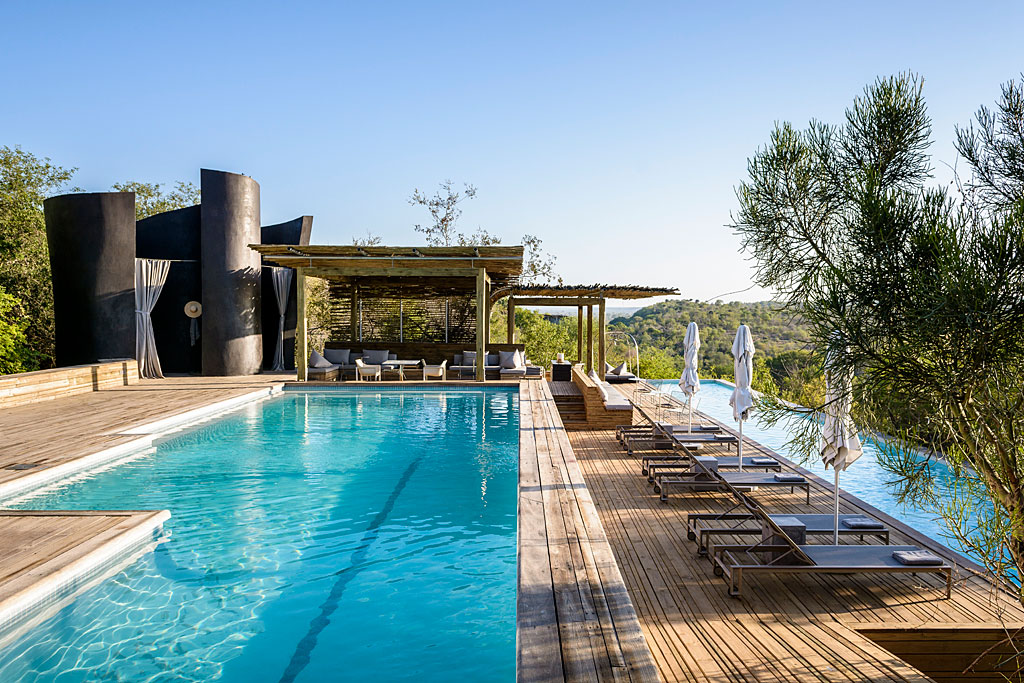
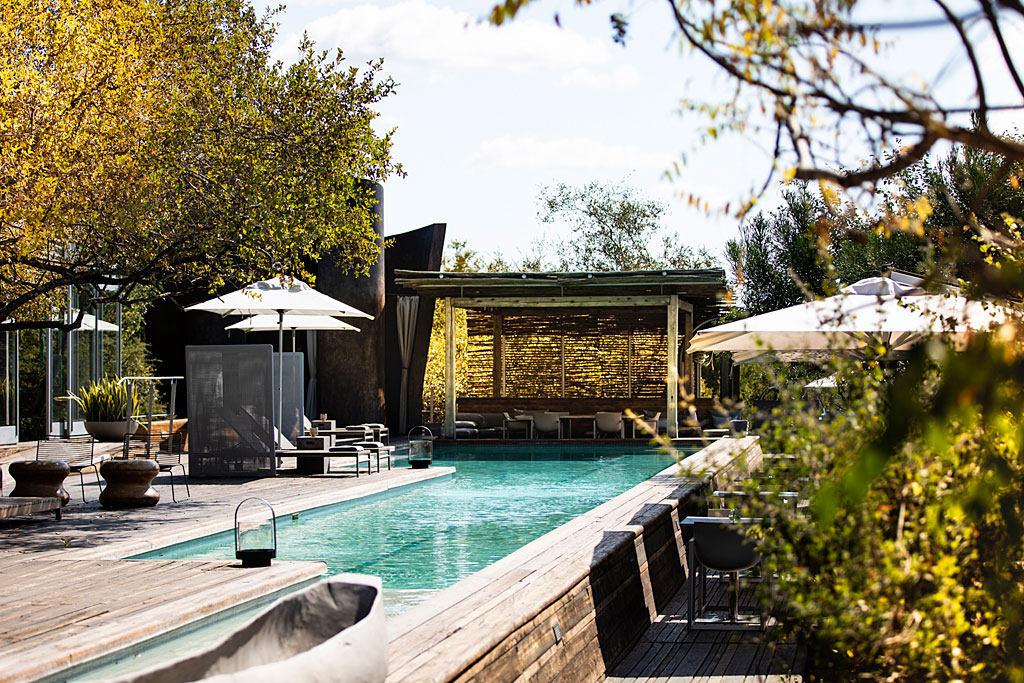
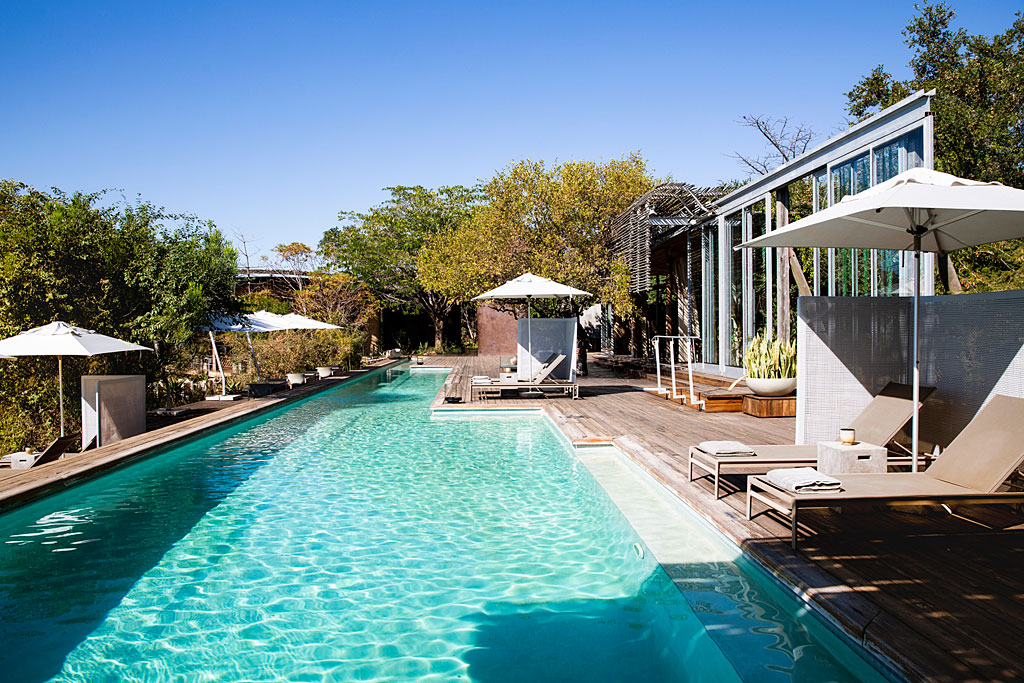
Lodge facilities; Bar & salon, pool, sun deck, campfire boma. No cell phone reception or wifi!
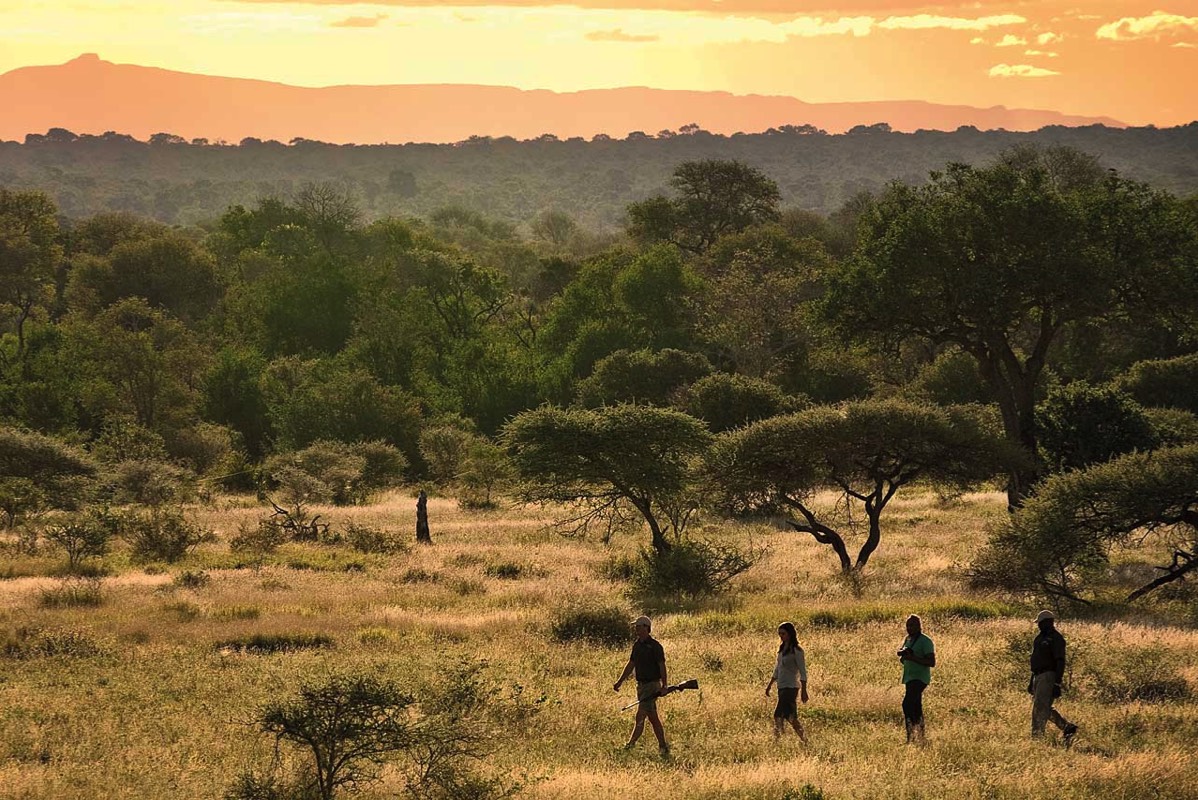
Activities; Morning- & afternoon game drives. Bush walks.
Price Range; 550-600$ pppn.
Singita Lebombo
Lion Sands River lodge
Accommodation; 8 luxury rooms, 6 superior rooms, 4 river suites (of which one is a family room).
Room type; Double or twin beds (customers can choose), two persons maximum, but one villa sleeps four and some rooms have interconnecting pathways. Air conditioning and ceiling fan. Suites have a private plunge pool.